Contents
1. Centrifugal propulsion system.
9 September 2020
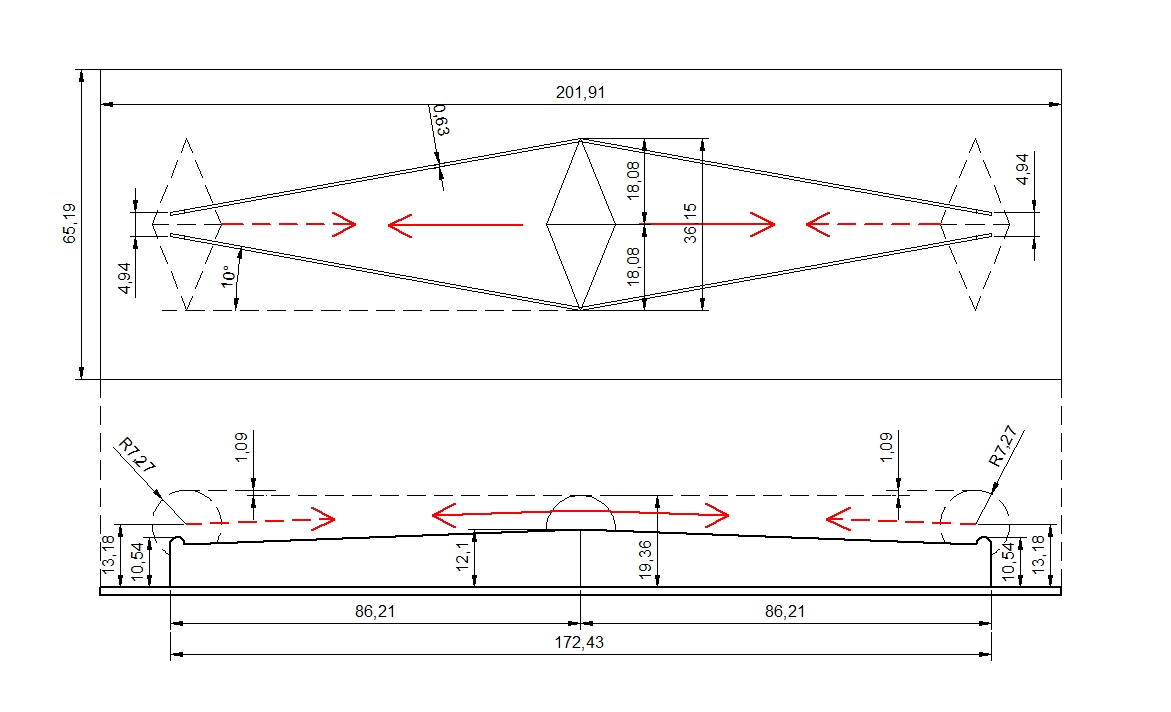
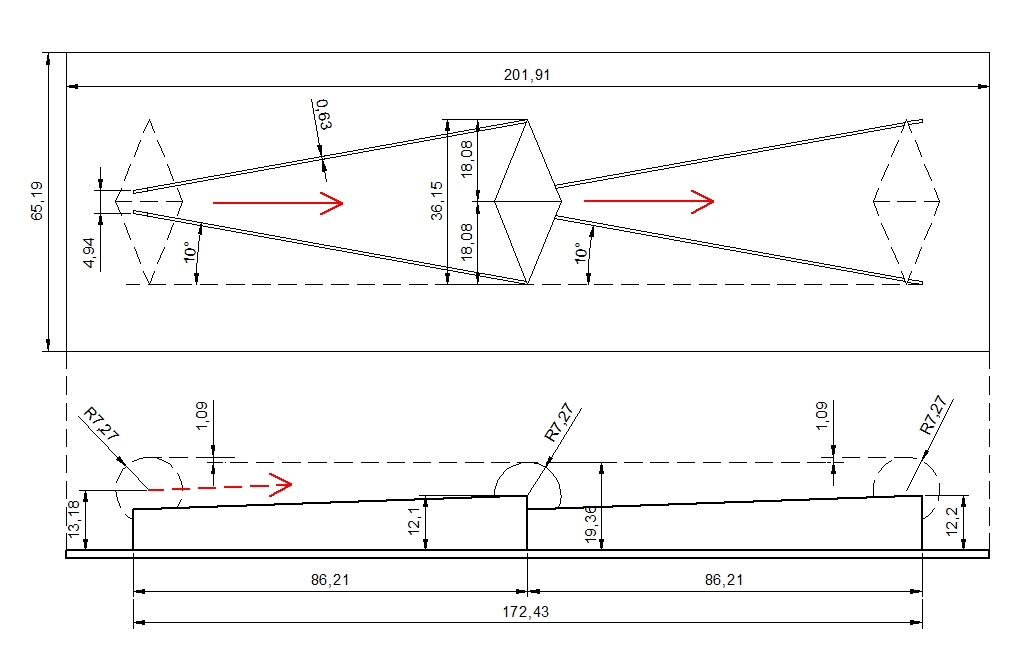
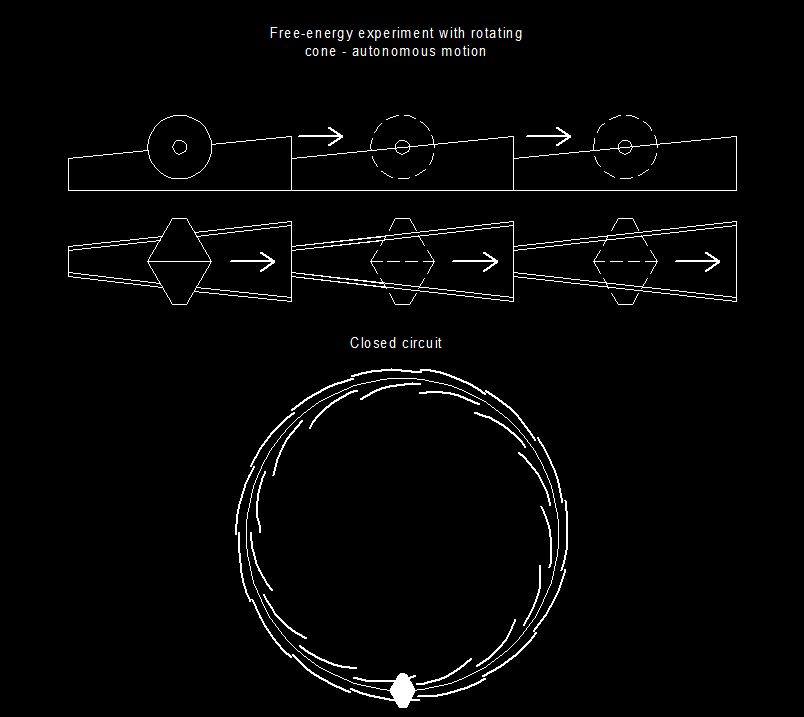
This experiment is not something new in physics. It has long been tried this kind of curiosities in the field of physics to apply in many interesting technical solutions but so far without significant success. The cone seems to contradict gravity, because it moves along an evenly sloping hill. In reality, however, it falls, and more specifically, the center of gravity in the middle position is lower than in the initial position, so despite falling slope, it can move uphill instead of falling, in fact it falls by performing upwards displacement.
Autonomous train propulsion.
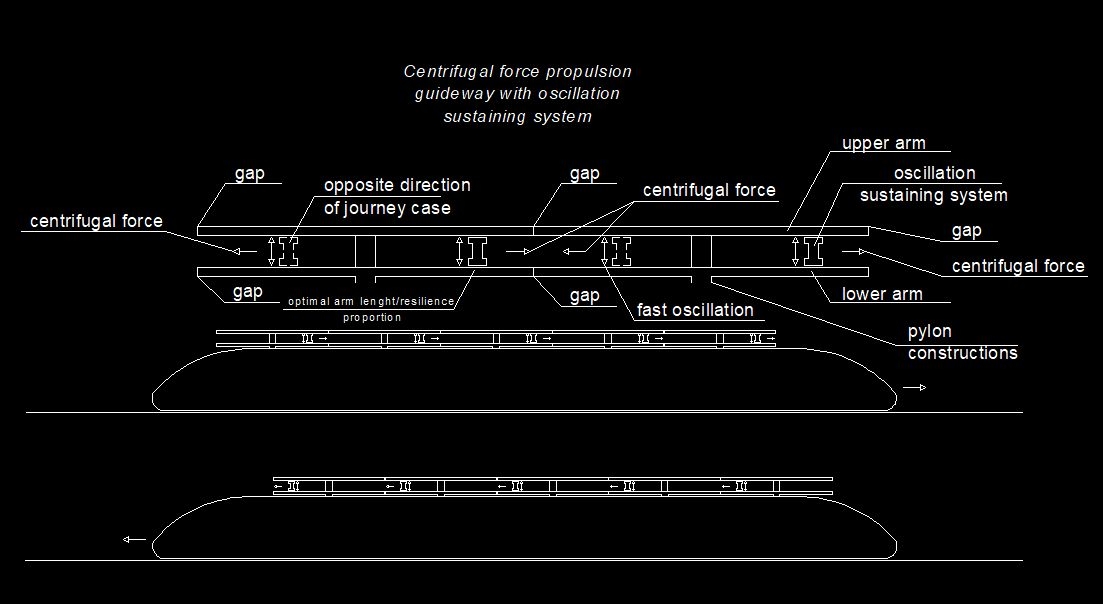
Centrifugal propulsion system
2. Magnetic autonomous railway propulsion system.
9 September 2020
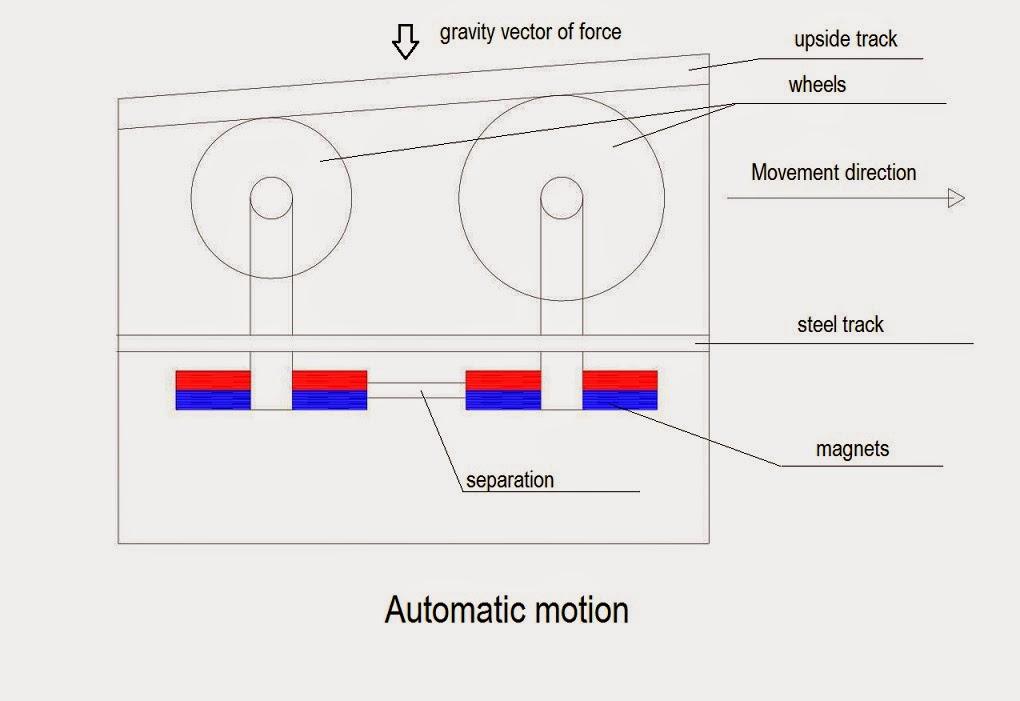
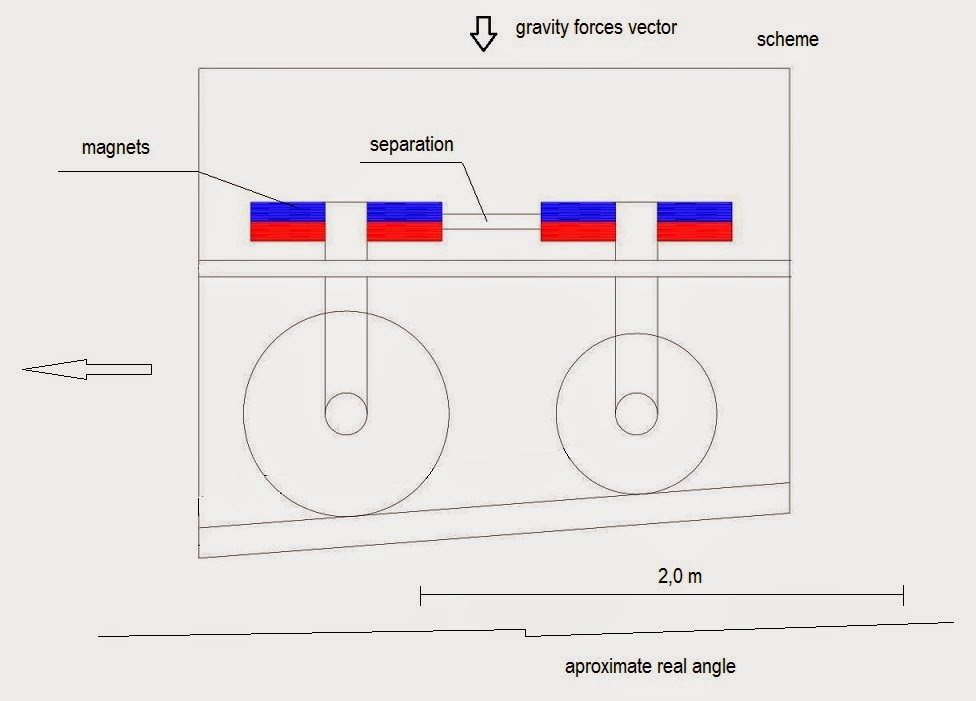
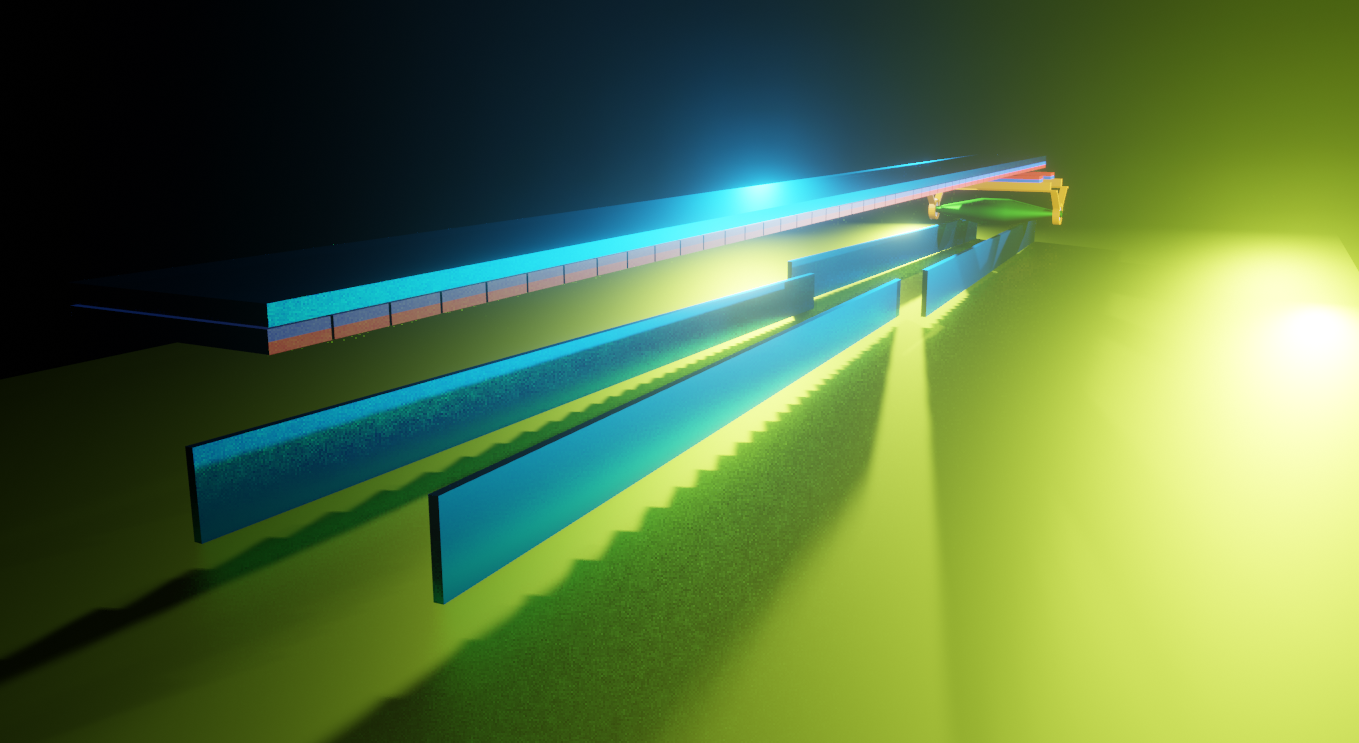
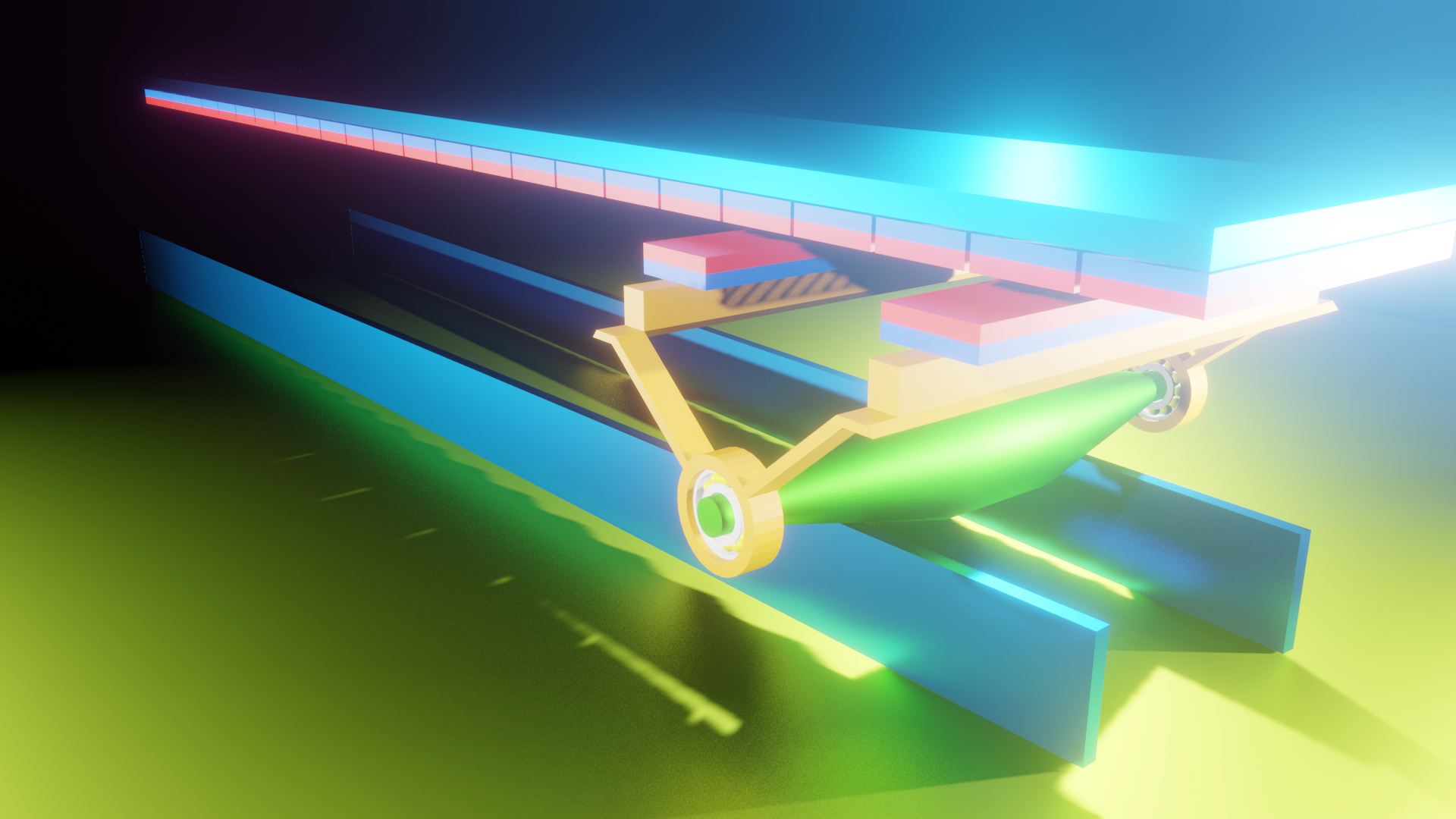
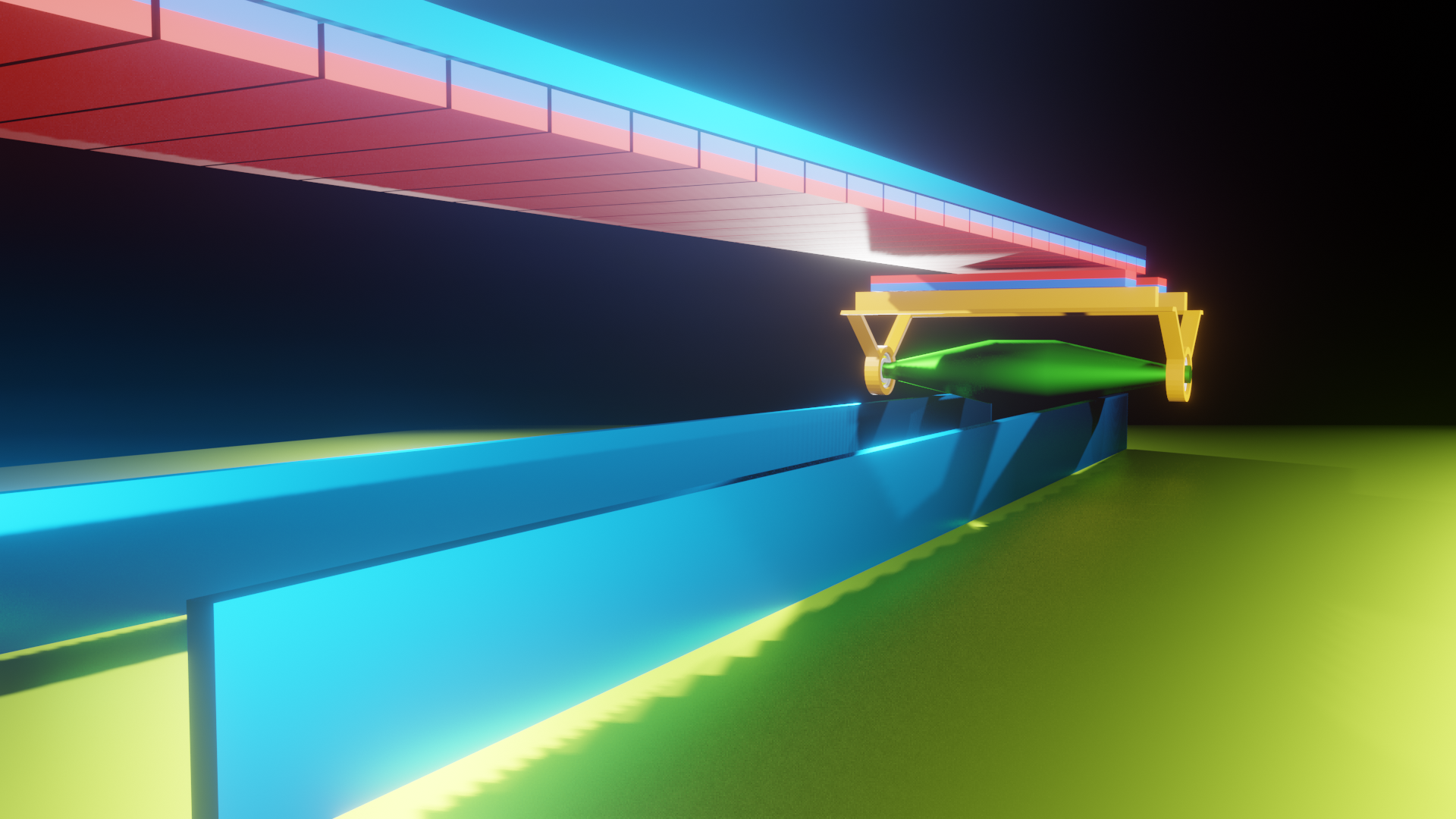
A drive system based on permanent magnets, a guide rail, and a ramp system. This fully automatic drive system for a new generation of railways is characterized by the absence of external power or fuel. It is not an electric or diesel drive, but rather a magnetic, gravity, and inertial drive. The system requires refinement and is currently unfinished. The system operates based on ferromagnetism and a magnetic field. It can also operate solely on permanent magnets arranged in a straight line. This drive system can operate autonomously via magnetic forces and does not require any external energy source. The system can be used in all types of wheeled rail vehicles, as well as pneumatic vehicles on air cushions. The use of neodymium magnets with high attractive force is recommended. The track for this type of technical solution should have specific parameters, including a slight ramp inclination. This should be implemented by calculating the optimal parameters between the pitch and the total length of each ramp. The system should be level and form a 90-degree angle with the gravity vector. However, the system should operate even if this condition is not met. In this case, the tolerances for the ratio of each ramp's slope, the total slope along the component's length, to the vector can vary by several degrees, either up or down. When the total slope is in the direction of the vector, this is beneficial and can improve the train's driving performance. When this slope is in the opposite direction to the gravity vector, the system may operate with reduced efficiency. The system can generate electricity for its own needs, using it for additional acceleration and overcoming rolling and other resistance, as well as partially for lighting and powering internal equipment. However, this is an innovative solution that requires field testing. Mastering this technology to ensure that the entire system operates without rolling and magnetic resistance is crucial, as it depends on the financial resources required to implement such a solution.