9 September 2020
The internet abounds with content of unknown origin, the authenticity of which cannot be directly verified, and many threads transcend the possibility of verifying the continuity of events or the topics to which they lead. Many technological issues discussed in such cases have their conclusions, but some of them begin at a beginning hidden from anyone's eyes and end in an unspecified future. Some of this content appeals to the imagination and encourages speculation. However, when considering science, only facts are important, not speculation, because facts can only be used to build technological foundations; otherwise, technology will be built on dreams and, without a real foundation, will be doomed to failure. However, in a situation of ignorance, questions arise that remain unanswered in the modern world, so it is obvious that there may be a flight into imagination and a desire to lift the veil of reality in order to gain knowledge and satisfy nagging questions about the future. Currently, it is clear that something is beginning to happen in the natural sciences. Until recently, some in the scientific community believed that physics had reached a practically hermetic level, meaning that nothing more could be added or subtracted from it, that it was essentially complete knowledge ? they were wrong. Progress has permanently and effectively challenged this attitude. Those who fail to incorporate elements of philosophy and the physics of a higher reality into their scientific views and rely solely on calculations are left rudderless and reduced to the role of a computer. Perhaps this is also why a kind of technological ceiling, maintained by the dictatorship of money, has stabilized in the modern world, likely preserving the direction of technological development and civilizational progress for decades. Changing this situation is now nothing less than a matter of civilization's survival. Over time, knowledge of the natural sciences could allow humans to transcend the solar system. It could allow for the mastery of highly advanced metallurgy and the taming of gravity, and the construction of transportation technologies that would allow travel between neighboring galaxies. However, for now, human civilization has mastered atomic energy and developed electrical and radio engineering. Fundamentally, however, the technologies enabling its full development have not been developed. A technological bridge was lacking, and a barrier to transportation became apparent, perhaps this is why civilization began to drift in the wrong direction. Some factor changed its development direction ? where the mistake was made is difficult to pinpoint. It's possible that the fundamental decisions made during World War II played a role ? the acquisition of rocket technology from the fascists was essentially a Trojan horse, blocking the exit from the tunnel during the emergence of the so-called new balance of power in the world and the foundation of the "Cold War," which, as we know, became the basis for keeping the world's superpowers in nuclear checkmate. To this day, this situation has not improved dramatically. This is regrettable, but so much capital and military fervor have been invested in such technologies that the problem may not resolve itself within an acceptable timeframe. Furthermore, scientific research has become polarized around financial issues. Military ideas continue to adapt to the current global situation, and there is no shortage of people on the warpath. However, some methods of warfare have also changed somewhat, and they can now proceed in many different ways, significantly different from conventional warfare. War is waged on a global scale based on economic tug-of-war and other economic activities that undermine the financial foundations of certain players in the international arena. The path the world is taking is fraught with danger. We possess technological means that can disrupt local or global ecosystems, even inflicting destruction that would completely prevent the continued existence of organic life throughout the Earth. Therefore, if the right opportunity arises to develop methods for spreading life throughout the solar system, it must be seized effectively. Where has politics, based on various ambitions and aspirations based on exerting economic pressure to gain control over ever-larger areas of global life, led the world? To creeping technology and social discontent. It's clear that so far, anyone who has planned world control and attempted to seize power over the Earth has been, in one way or another, degraded and alienated from their ideals by forces they usually didn't initially consider.
The technological acceleration that may occur, and which could be discussed in the event of a global recovery, need not be the result of chaotic action, despite the fact that few people in international society see the possibility of such an acceleration, which, if it were to occur, would drive too many serious representatives of conservative views from the administrative sphere. The world must experience firsthand where it is heading, and until it experiences this painfully, there will be no definitive change in its developmental direction. The instinct for self-preservation has been divided among the larger representatives of the global economy, preventing a return to the right path of development. Progress in new materials such as graphene and other substances, advances in chemistry, pharmacology, medicine, energy, aviation, the space industry, and astronomy, lead to unknown and uncontrollable paths. It should be noted that there is too much randomness in these actions; science is unable to answer many questions, including those whose explanation lies far beyond the technological capabilities of this civilization. I understand that one can be satisfied with the development of the global situation, because it's not yet the worst on a broader global scale, at least for many people who don't seek change due to, for example, their good economic position. Others, less satisfied, also don't seek change because they are resigned to their unfavorable situation. These, in turn, constitute the backbone of the system that builds its economic foundation at their expense. The middle class and small market players will always be the main working fluid in the global economic organism. Still others no longer constitute any substantive force in the world, but these are the most numerous. Economic decisions are made above their heads; they are incapable of expressing any opposition, and this isn't about decisions you can read about in the newspaper or watch on television. Such decisions take place beyond public knowledge and result from the necessity and consequences planned for decades, defined as development strategies for global processes that predetermine how the world should develop and who should be economically discriminated against and who should receive economic assistance. By presenting such topics and other previous content, many readers of my blog may perceive me as an eccentric malcontent presenting data that is inappropriate to current global trends. However, healthy opposition in every dimension can be, and has been in the past, a factor in the growth and diversification of possible interpretations of phenomena in our surroundings. Above all, a different perspective allows us to see more, especially in a situation of staring and chasing a vanishing point, which is the one great unknown toward which this type of reality, in which I and others, after all, inhabit, is heading. I am not a scientist in any field in the basic sense of the term. If I have anything to share, it is solely the result of my observations of my surroundings and my concern about the processes of civilizational evolution on a global scale. I also hope that the information I am posting will not be perceived as sowing confusion or an attack on the established order of things, as it was supported by reflections with the good of human civilization in mind, and the technological solutions I am presenting were not intended to be used for military purposes, the spread of hatred, or any other form of oppression or exploitation of society.
9 September 2020
We live in a time when the lifeblood of civilization is fuels extracted from deposits located in the Earth's lithosphere. The end of World War II resulted in the harnessing of nuclear energy, which currently generates no more than 10% of global electricity, with the remainder coming from coal and hydrocarbon combustion, hydropower, and renewable energy sources. A civilization based on these raw materials and methods is not developing in a positive direction, because the moment the theory of relativity was incorporated into the canons of physics, it began to deviate from the proper direction of science and technology. Currently, the gap between the actual possibilities that could have arisen had it not been for the shift towards relativity is already enormous. Many interesting scientific trends dating back to the 19th century, which could have better described physical relationships than the theory of relativity, were abandoned. Field theory, its energy, and its unification were abandoned because the concept of free energy itself was eliminated and it was not replaced, as it has been, with another precise theory that could meet the demands and intellectual expectations of today's physics. Despite Einstein's strenuous attempts, the quantum properties of space could not be confirmed, and regarding its gravitational properties, only general findings were introduced, providing no insight into the nature of field interactions and the properties of space on the smallest scales, which translated into real technological possibilities to this day. We still lack the means to generate or manipulate gravity for transportation and maintaining living conditions for humans both outside and on the planet. Energy production continues to rely primarily on combustion, and other more or less marginal methods either pose the risk of massive ecological disaster or are still in their infancy.
In terms of natural resources, they are finite and subject to dramatic exploitation. But before the deposits are exhausted, civilization will soon face a crucial choice, and it will be necessary to firmly declare that it has had enough of reaching for oil and gas, as well as the previously untapped deposits of raw materials from the planet's polar regions, which mining companies intend to extract. At that point, it will likely happen that the civilizational brake will not be activated. What might happen on that day is only speculated. It may be that the rigors will be changed at the last minute by unleashing science and its standard approach to technology.
Despite the rapid decline in extraction capacity, the civilizational machine is not slowing down; on the contrary, as it turns out, it is accelerating, which will ultimately lead to a standstill. Then, the temporary changes introduced may not prevent a catastrophe, namely, a return of humanity to the Stone Age. The parallel development of IT and the digitization of economic and administrative processes is, in reality, merely cosmetic, as there remains no rational or more sensible approach to the core technology of transportation and energy, which stems from a lack of understanding of the nature of gravity and the properties of space. These fields cannot be radically transformed through automation and control alone. It's clear that there's been a lot of buzz and applause recently for electronics technologies, including computers, mobile devices, and so on. However, their capabilities as a source of electricity, despite miniaturization, haven't really changed from the outset and are still mediocre. The power lobby is extremely powerful and currently prevents its products from being replaced by more advanced technologies that are already becoming available. Before something new is introduced, someone has to make money. They won't take any action that would reduce their profitability. Their customers suffer, being duped and milked of their savings, only to allow others to thrive by releasing successive "new" versions of the same product.
A daily game against time is being played, in which the stakes lie with the survival of the human species, a species that is essentially controlled by a handful of its representatives, who control the world's economic processes. This handful, for example, are members of rating firms and global banks, which now possess a truly fantastic and carefree economic power. Most of the world's capital is concentrated in the accounts of a few dozen or even a few hundred individuals. Partly as a result of the policies pursued by companies managed by this type of policy, and as the planet's natural environment warms, mass migrations of people from sun-drenched areas like Africa to the Northern Hemisphere are occurring. Through human activity, human activity has led to the creation of scorching desert conditions, which are causing mass extinctions of cattle, the drying out of crops and low-lying vegetation, and an increasing number of deaths among the population of equatorial countries due to the spread of tropical diseases on an unprecedented scale. All of this is unfolding before the eyes of the world, where nowhere is truly safe anymore, because with the development of military resources armed with nuclear warheads and long-range missiles, there is nowhere to escape... The entire civilization sails on one deck. However, what can be observed is that despite numerous scientific and design efforts, the energy to power cities and industry still comes from non-renewable energy sources. Nuclear energy is also a non-renewable energy source. Although it is ecologically cleaner than other conventional energy sources, it is not without many significant drawbacks that unfortunately cannot be eliminated. If other fuels were used in nuclear power, less radioactive in terms of decay products that are unexplainable, such as thorium-based fuel, the situation would improve significantly, but again, existing technology blocks better solutions in this case. Other forms of energy production ? these are not discussed, such as energy generated solely through magnetism or gravity. The reason is simple and prosaic: a lack of openness in society, and above all, a lack of scientific "concrete" to new things, as well as a lack of mathematical descriptions digestible and appropriate for a certain, rather common intellectual level. No one wants to invest in topics that dramatically improve the situation, especially when it strikes at the economically sensitive point of elites trying to maintain their incomes. However, let's look at the history of automobile production ? every technology starts from scratch, eventually reaching perfection as the technology improves. However, when a specific attitude is adopted from the outset, certain essential elements are eliminated from the very beginning, and understanding becomes impossible. For centuries, humanity has been decimated by various plagues, wars, and natural disasters. Today, we have an opportunity like never before to break free from the vicious cycle of destruction and pernicious tendencies. However, due to the desire for profit and the rush of civilization, the world is now on the brink of meeting the demands and reversing the negative course of its development.
| 3. Earth as a laboratory of higher beings. |
9 September 2020
We are prisoners of the atmosphere, the oxygen we breathe, the earth from which the water we drink comes, and the food we eat. We live a relatively short lifespan, usually less than 100 years, measured in the Earth's rotation around the central star?or, as we like to call it, the Sun. The constraints that shaped us are everywhere, both inside and outside the body. Humans are a dramatic form of existence endowed with memory and free will. However, if our free will were to be measured by a true and objective standard, the set of possibilities we can draw from is quite limited, which does not make us entirely free or guarantee full-fledged free will. Our task, however, is to realize the possibilities of changing this state of affairs.
9 September 2020
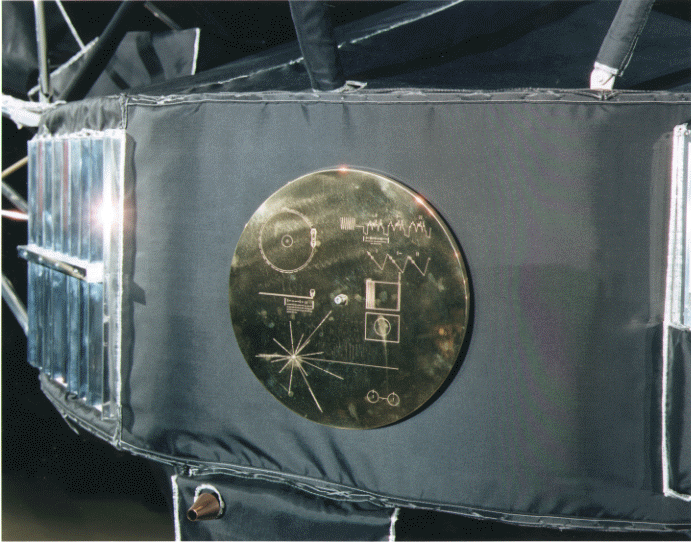
Something or someone must have initiated life on Earth, but after living for 80 years, what can be learned in such a short time is clearly insufficient to understand the most essential facts on this subject. Hence, religions and beliefs have arisen, attempting to explain a certain pattern of behavior, usually stemming from primordial, a priori events. Believing in something involves refraining from questioning what one believes in. However, if one wants to know the truth about everything, faith alone is not enough; one must be able to analyze the situation a given person?a student or researcher, let's call them?finds. This requires appropriate research tools, as the naked eye or ear isn't always enough. In our times, with their multitude of philosophical and religious trends, there is no room to reject the top-down educational pressure exerted on young people by the scientific community and the promotion of education. The preferred goal of modern education, designed to control society, is human collaboration with relativism and the rejection of scientific freedom in favor of standardization, etc. There is no room here for a subjective approach to science or the creation of entirely new realities. This phenomenon leads to a monopoly on the allocation of young minds who cannot break through the imposed level dictated by the interpretation of modern science. Therefore, even if they live for 8,000 years with this approach, students of this science will never reach a higher intellectual level, processing their surroundings using standard methods. This phenomenon is clearly visible in current technology, where attempts have been made for almost a century, but fundamental barriers remain unbroken (the theory of gravity, coherent particle theory, etc.). Although we constantly hear that someone has developed something, after some time, the matter is withdrawn, denied, or silenced, and a return to the usual sequence of events. This stems precisely from the standardization of science. Earth is a planet that probably lies outside the center of the most important events in the cosmos. Space is still open to us, yet we are unable to take advantage of its invitation because we lack the appropriate transport technology. The shift away from unconventional approaches to energy and the structure of matter is clear. The world has been flooded with knowledge, tons of it in the fields of medicine, chemical synthesis, chemical analysis, pharmacology, nuclear physics, mechanics, and so on. However, the path has been clearly defined, as evidenced by the implementation and effectiveness of tasks, and screening for new drugs and lead substances. However, even here, something has been omitted and neglected, as non-pharmacological therapeutic methods have been abandoned, such as electromagnetic resonance imaging for destroying bacteria and tumors, NRM methods, and many other techniques that treat but do not require the introduction of chemicals into the patient's body. Furthermore, despite the discovery of better pharmacological forms, their dissemination has often been abandoned for economic reasons and the consolidation of market position at the expense of societal benefits. Thus, an internal social and economic struggle has ensued, involving economic espionage, the suppression of sensitive information to the detriment of society, and corporate gamesmanship that defies the principles of economics in order to pursue opaque and dubious market policies. Humans were created by forces beyond their own comprehension, with all their manifestations of weaknesses and strengths. However, since the weaker side requires less physical and intellectual effort on the part of the beneficiary, a clear distribution of power within the same terrain occurs.
9 September 2020
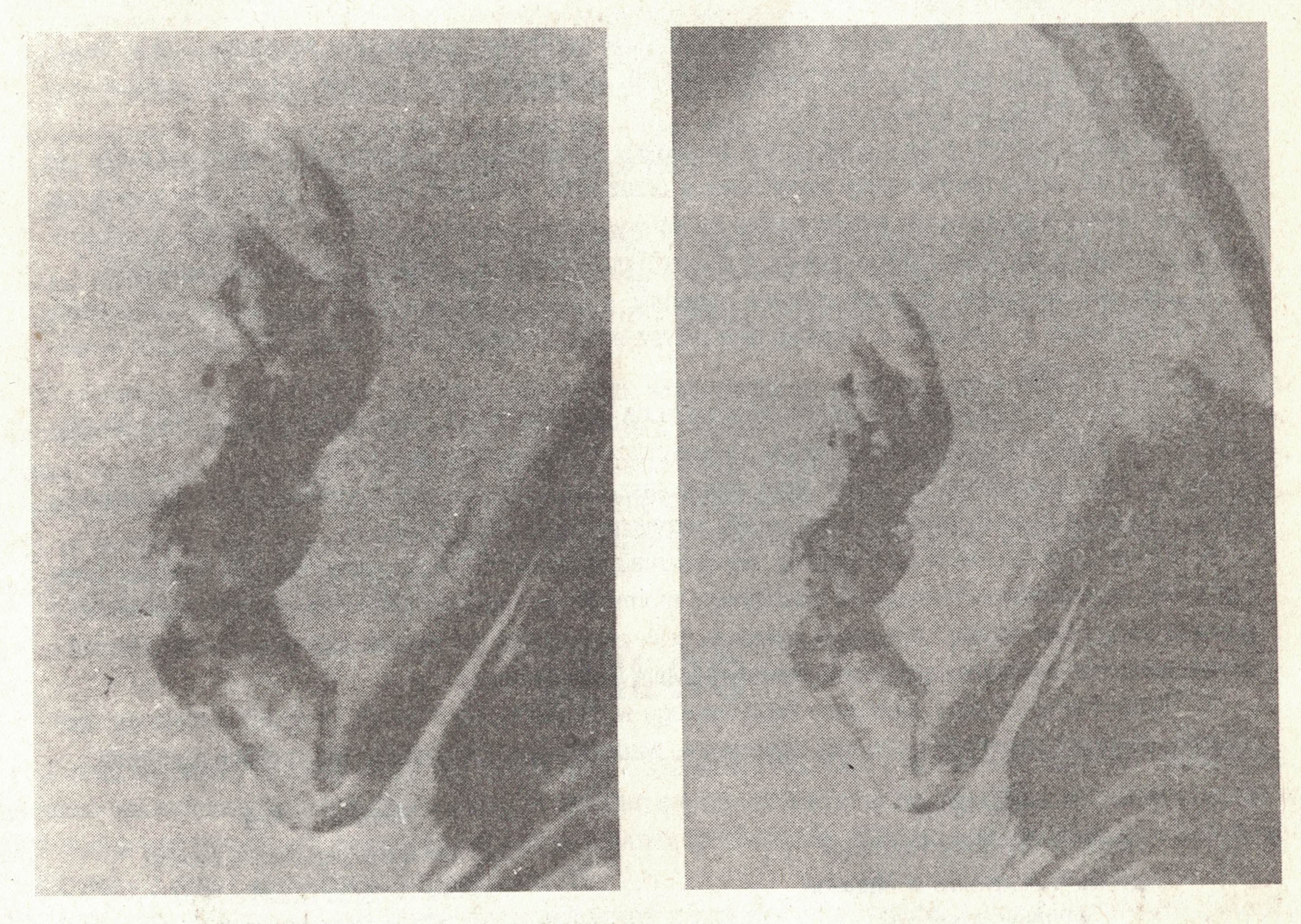
In our stellar environment, there are countless planets where experiments similar to those on Earth are taking place. The history of humanity, including its origins, may never be fully defined; so far, we only know about certain races of early Homo sapiens, whose remains and activities have been found in the ground and caves. The public will never know about the more incredible discoveries, as they were classified, and the relevant people were instructed precisely what to do. Similarly, with the discoveries of crashed vehicles of unknown origin, crashed after entering the atmosphere, with the crews killed and crashed to earth?how many such cases have there been, and what happened? And nothing. Nothing groundbreaking has made it to the outside world. Artifacts found in the ground, often devices surpassing today's technology in terms of materials and knowledge, have also been shrouded in strict secrecy. The knowledge they contain serves no human purpose, so who does it benefit?
| 4. Treasures of solar system |
9 September 2020
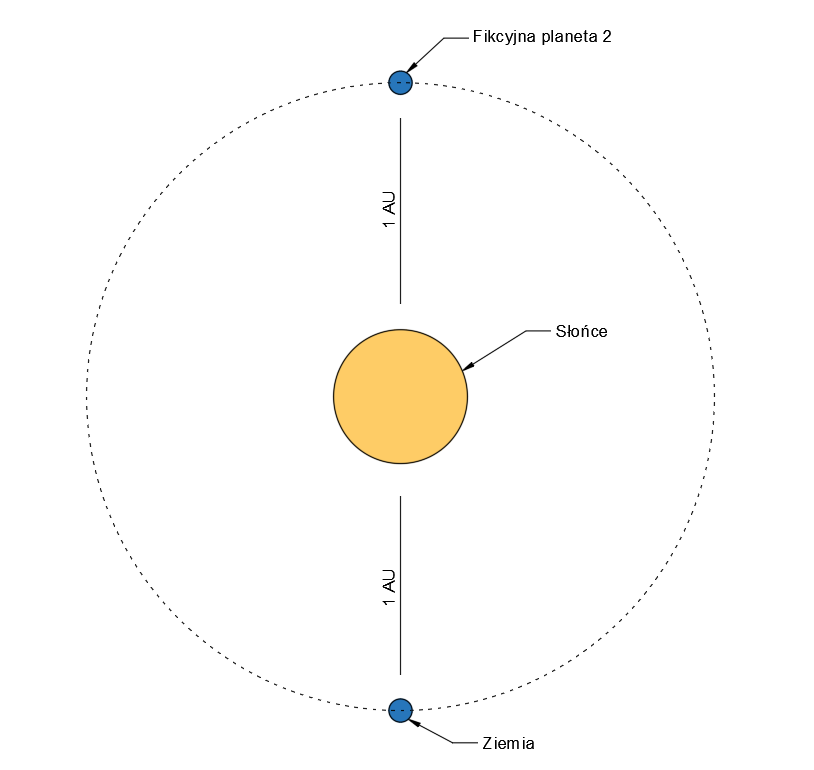
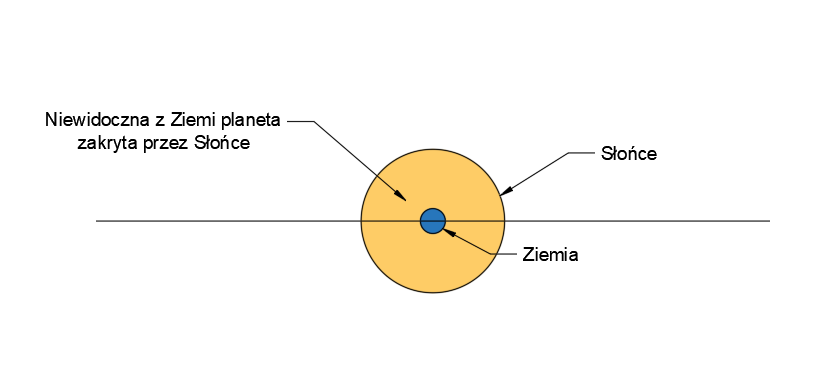
A solar system is a planetary system associated with its central star, the Sun. It is the only star in this planetary system orbited by planets formed from the primordial protoplanetary disk. The planets closer to the Sun are rocky planets, including Mercury, Venus, and Earth?the only known inhabited planet in the solar system. It is generally believed that beyond these planets, there are no other rocky planets in this star system. Although there are theories about a tenth planet located far from the Sun on the outskirts of the solar system with an eccentric orbit. The only place where any other undiscovered planet could be in the solar system is the least expected?in an orbit common to Earth, on the opposite side of the Sun. However, the existence of such cosmic bodies is controversial, and so far, no planetary system outside the solar system has been discovered that shares an orbit with at least two objects, although the laws of planetary motion do not exclude such planetary systems. The problem in this case may be the lack of a suitable planet detection technique ? the Doppler shift technique fails due to the gravitational balance of the system with two planets in a single orbit. Detecting such planets separately through transit is also difficult, especially when the planets are very similar in size and mass. It may be difficult to distinguish between two separate planets and not one due to their shared orbit. This could lead to misinterpretation as a single planet with an orbit twice as tight as it actually is, which is undoubtedly possible given the observational errors associated with the scale of the universe. A planetary system with such overlapping orbits is balanced, likely due to a planetary resonance, a gravitational lock that stabilizes the spin rates of these planets to such an extent that the system doesn't desynchronize over billions of years?the planets move at the same speed and are at the same distance from their parent star. This means that such a planet cannot be detected by astronomical observation from any of the system's planets. If such a planet existed in the solar system and remained undiscovered by the public since the dawn of humanity, it would indicate that information about this fact has been deliberately forbidden, and that someone is constantly trying to fool us. Information about this is strictly classified as military and strategic planning secrets. Detecting such a planet from Earth is impossible, but from Mars it could be observed provided someone with the appropriate technology, such as NASA, ESA, or others, were to share this information. In space, however, such systems may be commonplace and commonplace. If such planetary systems are ever discovered, it will undoubtedly be a milestone in astronomical observation accessible to humans. The solar system contains objects rich in precious metals such as gold, palladium, and platinum, such as the asteroid Psyche, which is largely composed of these metals. It contains more gold than all the world's treasuries, and it also contains platinum and other precious metals. However, getting it into Earth orbit is a challenge; civilization currently lacks such capabilities. Planets located further out from the solar system are gas planets, including Jupiter, Saturn, Uranus, and Neptune. They have moons, sometimes quite large, which may also contain economically valuable minerals and minerals. Throughout the solar system, there are various planets and asteroids, both large and small. Ceres is an example of a major asteroid. All of these cosmic bodies roam the solar system and are likely rich in various minerals.