6 June 2018
Artificial Photosynthesise
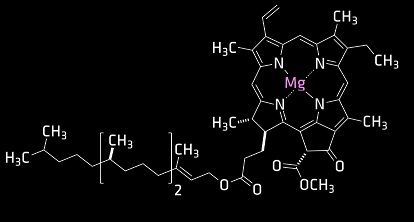
Photosynthesis is a natural process occurring in green plants. This ability involves the reaction of chlorophyll, which is located in the chloroplasts in the plant cell, with the help of light, where simple basic substances such as carbon dioxide CO
2 and water H
2O produce simple sugars such as fructose or glucose C
6H
12O
6. Thanks to photosynthesis, plants can build their tissues, plant mass, which is later used by humans for various domestic and industrial purposes. Living organisms, plants, purify the atmosphere of carbon dioxide, which is a waste product produced by animals and humans in the process of respiration. This gas is therefore part of a closed cycle in the entire living nature - for plants, it serves as food along with water and other substances such as some nitrogen compounds. For centuries, humans have been trying to master the photosynthesis reaction specific to plants, so that fuel can be produced in industrial processes on a large scale without using high temperature and pressure, thus lowering the energy threshold of the reaction through substances similar to chlorophyll, in other words, to carry out artificial photosynthesis and harness electromagnetic energy to cheaply supply their economy with high-quality fuel.
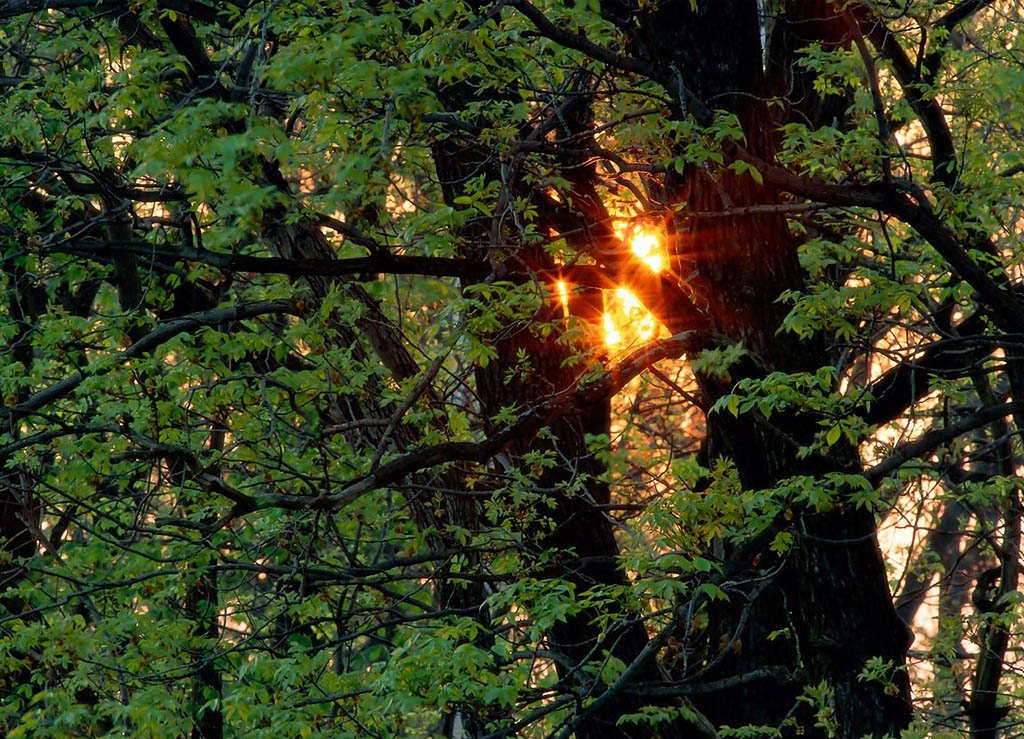
Forest - oxygen factory.
Forest - oxygen factory.