9 September 2020
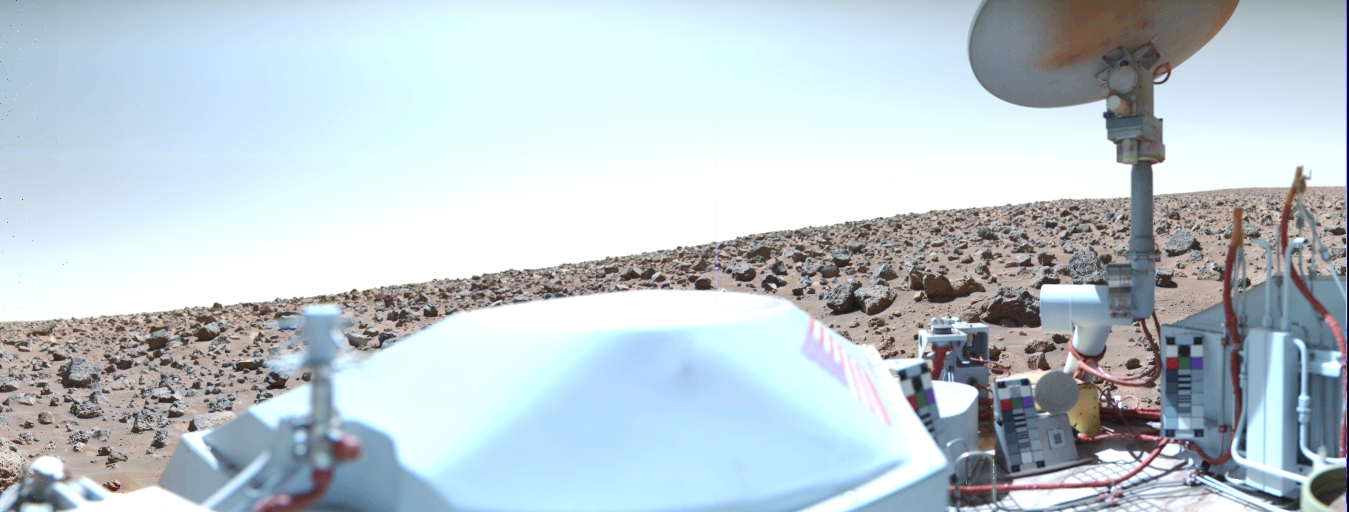
Mars is a desert planet with low temperatures below -50 degrees Celsius. The problem is the high radiation on the planet's surface from the sun, but there's also hard cosmic radiation from the depths of the universe. This is because Mars lacks a magnetosphere, which would firstly shield electrically charged particles toward the poles. Secondly, it's also the reason why Mars has a residual, thin atmosphere, a hundred times thinner than Earth's. It's impossible to breathe or stay on the planet's surface without pressure suits. It's so thin because for billions of years, the solar wind, not encountering a protective magnetic field, has been sweeping particles from the upper layers of the Martian atmosphere. It's important to note that this continuous process will ultimately prevent humans from transforming the planet to the point where conditions similar to those on Earth can be described. The magnetosphere cannot be recreated unless humanity reaches a technological level where it doesn't pose a problem. However, it should be expected that colonization of exoplanets with favorable conditions and a high ESI will occur sooner, and Mars could then only be a penal colony and a place of exile, or a site for mining and mining raw materials. Mars is the fourth planet from the center of the solar system, its central star, the Sun. Mars is a cold and desert planet, with a residual atmosphere that is incompatible with breathing for humans and animals. Therefore, it requires the wearing of pressure suits and an oxygen supply for any activities on its surface. Without such suits, any higher organisms breathing atmospheric oxygen would be unable to exist on the planet. Another issue is radiation. Due to its thin atmosphere, Mars is exposed to increased radiation, which is not shielded by a magnetosphere (which it lacks) or an ozone layer. In the bitterly cold conditions that prevail for a significant portion of the year, plants will not grow directly in the ground because surface temperatures are too low. Therefore, the soil is dry, and water is bound in strongly frozen water ice. While this water is often found just beneath the surface layer of dust and sand, plants cannot absorb this type of water because it requires liquid water for their growth. In summer, temperatures at the equator and subequatorial zone rise to around +20 Celsius degrees, but after the sun sets at night, they drop to -80 Celsius degrees. The first humans to reach the surface of Mars will have to build basic infrastructure from scratch; there are no trees on the surface, nor any supporting materials for building habitats other than Martian soil and rocks. Water on Mars is plentiful in frozen form, so first the ice must be melted to obtain it, which will require energy from things like photovoltaic cells, radioisotope generators, or small nuclear reactors. All of this will have to be delivered to the planet aboard spacecraft. Another threat is the occurrence of dust storms, which sometimes reach enormous proportions, even encompassing the entire planet. Telescopes cannot see the main surface of the planet from Earth for periods of time. This significantly worsens living conditions for colonizers. The dust impedes visual communication and intrudes everywhere, potentially causing malfunctions in even the best colonization equipment. Mars has two small moons and seasons, and its daily cycle is very similar to Earth's. Colonizing Mars will require a vast amount of equipment delivered from Earth; missions will have to be dispatched one after another within a launch window, with hundreds of colonization vehicles per window. No manned missions have yet been sent to this planet, which doesn't detract from the fact that some companies interested in its exploitation already possess some of the necessary technology that could enable crew transport to the Red Planet. Mars may possess a range of useful minerals and fossil resources, which could be used to develop smelting and metallurgy even superior to those on Earth. Mars has large concentrations of dry ice (solid carbon dioxide), and using it in a reaction with hydrogen (the Sabatier reaction) could produce virtually unlimited amounts of methane rocket fuel.
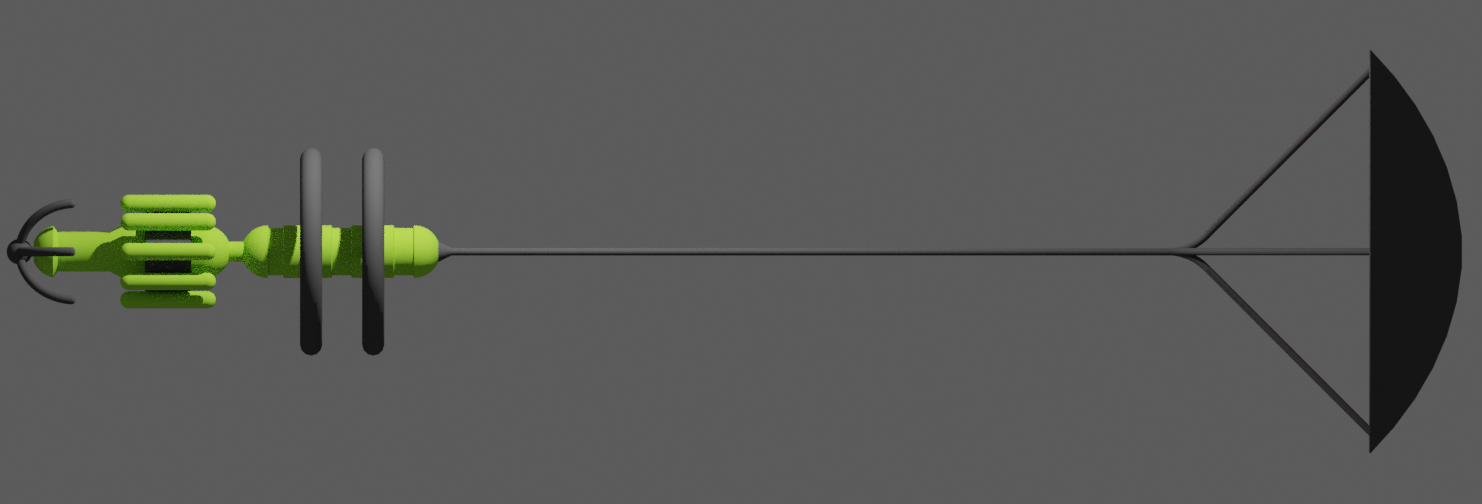
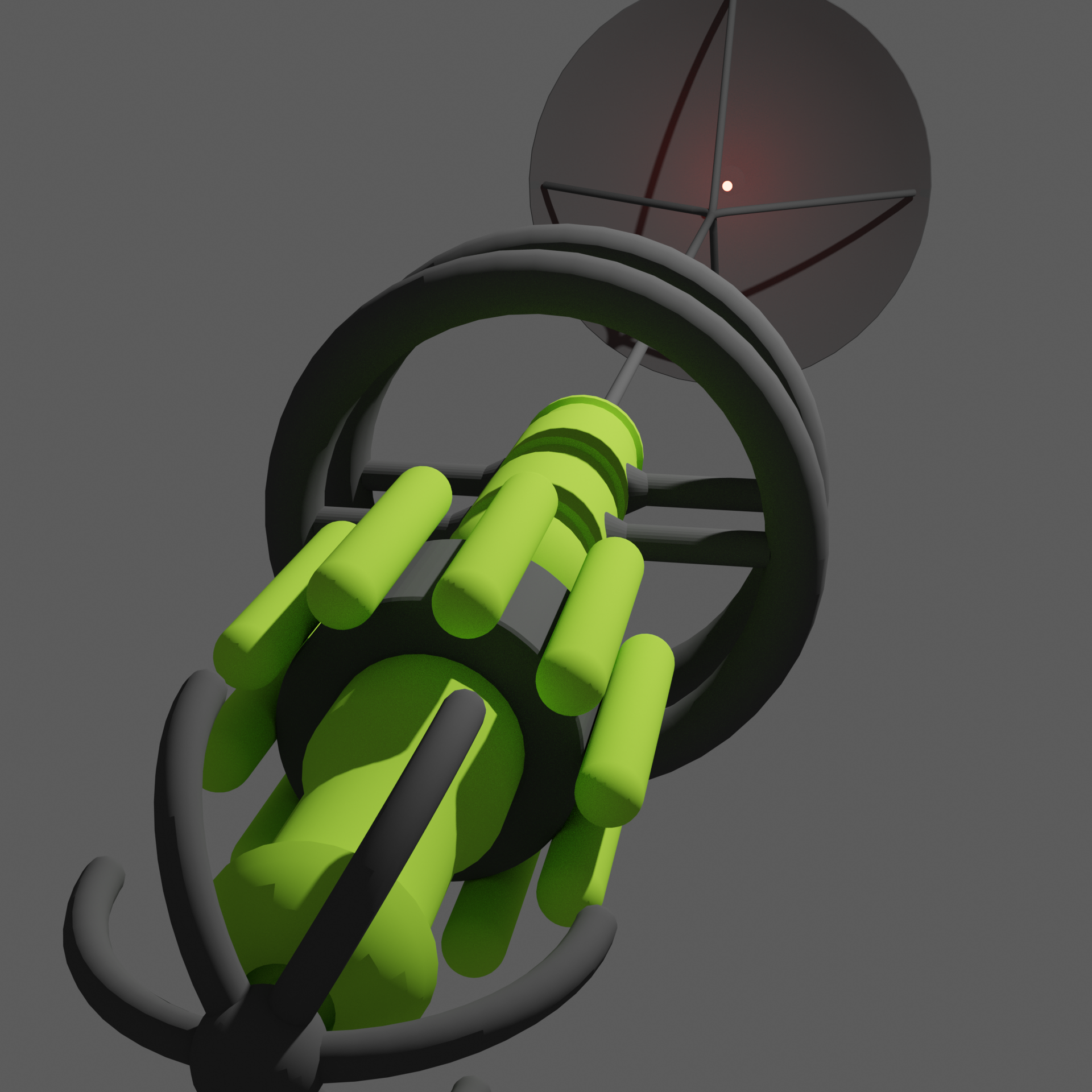
Liquid oxygen from water ice, produced by water electrolysis and the Sabatier reaction, serving as an oxidizer in rocket engines and for the colonizers' subsistence needs, could also be obtained in large quantities. Over time, entire cities and industries would emerge on this planet, provided that stable economic and financial conditions on Earth were maintained and that no global catastrophes or pandemics occurred. As the population of Earth grows, living conditions will deteriorate despite rapid technological progress, it seems justified to invest in matters related to the colonization of Mars, as it is the only planet in the solar system suitable for colonization with relatively low economic and financial effort?relatively low, yet still enormous considering current technological realities?achieved only through international cooperation and the concentration of technological resources, coupled with the need for innovative technical thought and collaboration among scientists of varying degrees. Humans have at their disposal a planet we haven't yet managed to destroy, despite our best efforts. It's understandable that we want to transfer our human traits to other planets to increase security across the entire solar system. We must do this, because the next step beyond the solar system likely won't happen soon. However, the time we spend colonizing Mars will provide experience in colonizing alien planets, crucial when we venture beyond the solar system once the appropriate technology is available. Mars could be colonized and transformed into a second Earth within 1,000 years, or even faster if the right technology were implemented. A trip to Mars currently takes about seven months, but in the future, this time will shrink to a few days when rockets are equipped with nuclear propulsion or when we mature enough to utilize other propulsion systems, which we haven't yet dreamed of, but which will become a reality for future generations. Cities on Mars will be connected by high-speed magnetic or electric-gravity railways. Many companies on Earth are currently developing vehicles capable of interplanetary transport, but this isn't the same as orbital spaceflight and a trip to the Moon; here, the technology must be significantly more reliable and trustworthy. In the event of a failure, there's no way to return to Earth with current technology, and significant dangers also await vehicles landing and taking off from Mars. Mars is a small planet with low gravity (one-third the gravitational acceleration of Earth). This means that a standard colonizer will weigh three times less than on Earth. Spaceships launching from the Martian surface will also require less fuel than those launching from Earth. Colonizers will carry three times more equipment than on Earth. They will have to provide for themselves in Martian conditions, as transporting food from Earth will be prohibitively expensive. For this purpose, there are plans to grow potatoes, lettuce, and other vegetables in fertilized Martian greenhouses. It will also be necessary to gradually thicken the atmosphere with greenhouse gases to melt water ice and solidified carbon dioxide in the polar caps. As the atmosphere warms and thickens, plants, trees, and grasses will be able to grow on the planet's surface, leading to a significant increase in atmospheric oxygen levels on Mars, making it possible to traverse its surface without oxygen masks or pressure suits. Consideration should also be given to returning to NERVA-type rockets or canopy-propelled rockets, which would detonate small tritium pellets using high-powered lasers, as the velocities achieved with such propulsion would allow for the rapid colonization not only of Mars but also of the entire solar system. Humans could eventually leave the solar system permanently. Thermonuclear propulsion is undoubtedly an interesting alternative. This type of propulsion requires large thermonuclear fuel stores, but such solutions could be cost-effective because, combined with crew hibernation techniques, we would then have the opportunity to colonize extrasolar planets; Mars would become merely a way station on the way to the stars. The costs of building hundreds of small vehicles compared to the several large, enormous taxis that would have to be built in Earth orbit during Mars colonization would need to be recalculated, and the appropriate conclusions drawn.