9 September 2020
Gregor Mendel, who can be considered the first geneticist in history, devoted much of his life to studying plants, particularly pea plants, and the methods of inheriting genetic traits. Although he did not understand the principles of information transmission within the genetic code from a chemical, biochemical, or cellular perspective, he introduced many important rules and principles to describe the inheritance of genetic traits, which remain relevant to this day. He understood concepts such as genes and gene alleles from a genetic perspective. Today, phenomena in the transmission of traits such as crossing over, or components that are groups of genes, such as chromosomes and
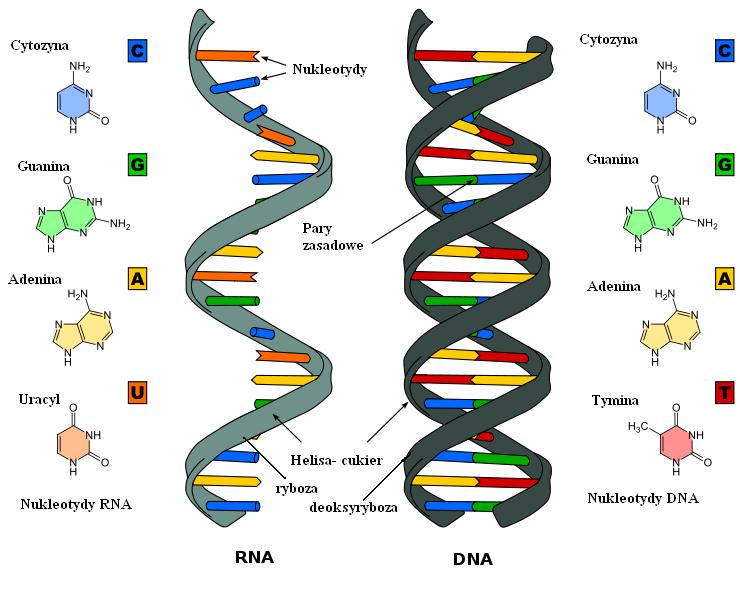
telomeres, DNA helix are already part of modern knowledge. Many contemporary works, such as the explanation of the lactose operon and the earlier works of James Crick, such as the explanation of the DNA structure, could exist, among other things, thanks to the ingenuity and cleverness of researchers and contributed to shaping knowledge about the structure and functioning of living organisms, both plant and animal, and consequently to understanding genetic diseases and other genetic disorders that also affect humans.
9 September 2020
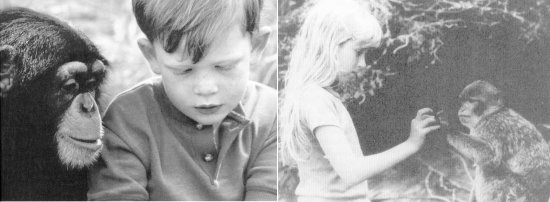
Homeotic proteins, enzyme proteins, and repressor proteins are examples of substances whose roles would be unknown were it not for the work of thousands of scientists who continue to influence pharmacology and medicine, and whose work fuels the pharmaceutical industry with new drugs and influences the flow of vast sums of money in the economy. Work on the human genome has led to the sequencing of its genes, but unraveling the interdependencies and biological complexities will likely take decades. Each organism is unique, and although the genetic framework is similar to most higher-order organisms, it is these remaining small differences that are responsible for their fundamental characteristics and appearance. Genetic differences between primates, such as humans and chimpanzees, do not exceed 10%. Many genetic mechanisms in single-celled organisms, such as bacteria and viruses, have now been fully understood.
9 September 2020
There are many indications that in some time genetically modified algae will be produced on an industrial scale.
fuel needed for cars - thus process of the circulation of CO
2would closes in the atmosphere. Other modified organisms will produce most of the more complex drugs that can be difficult to synthesize industrially. Some bacteria have long been used in biological reactors in wastewater treatment plants. Modificated genetically food so called
GMO is already widely sold in grocery stores, but its introduction in some countries is fraught with obstacles some people consider this type of food harmful and causing dangerous interactions within the body and the environment where it is grown. Other genetic techniques, such as egg cell technology, which is used to produce so-called "three-parent children," are technically desirable and capable of improving society's health. However, a situation could arise in which a society that wanted to utilize the benefits of such activities would, after some time, no longer be the same society, because, on the one hand, new properties resulting from such manipulations with positive results would be incorporated into its characteristics, and on the other hand, there would be "inferior" individuals who might not withstand the competition from qualitatively superior modified individuals. This threat is not only present in this particular case, as genetic modification can have many advantages, but it also raises questions about the limits of human intervention and ethical rights. Humans themselves are already a value in themselves. By introducing far-reaching changes to human genes, a situation may arise in which humans will no longer be humans and will simply become a different species.
Gene therapy has led to both successes and failures many times. For example, some genetic diseases have been cured, while others have resulted in even more serious complications, such as leukemia and other reactions of the patient's body. Another genetic method is
cloning, everyone knows the story of "Dolly," the sheep, which was probably the first mammal cloned by scientists. Clones typically have shorter lifespans than their genetic originals. Some visionaries have placed significant hopes on cloning, such as the hope of human immortality or military advancements.
There are so many functional and biological interdependencies in the Earth's current natural environment?the Earth's ecosystem?that it is currently impossible to unambiguously characterize all their genetic and biochemical connections. Those who believe they already know enough must be patient, as moving too quickly in genetic engineering can have catastrophic global consequences that may be irreversible and, consequently, could mean the mass extinction of thousands of organisms that are currently crucial to the global economy.
Recently the industry based on
stem cells is so prevalent in modern therapeutic methods, cosmetics, and tissue regeneration that in just a dozen or so years, medicine may be so advanced that it will be capable of reproducing entire human organs for current needs or of applying comprehensive body regeneration to prolong human life, perhaps also of increasing the body's resistance to tissue damage factors, including accelerated wound healing, etc. (the wound could heal within a day or two, and not, for example, within two weeks).