10 October 2024
As a result of the development of technological civilization on Earth, much chemical pollution has occurred, which currently cannot be quickly eliminated through filtration or other chemical techniques. The planet's atmosphere is more polluted in urban areas than in open areas. Circulation of CO
2 in nature has been disrupted by the increasing production of this substance from coal- and hydrocarbon-fired power plants. This has a direct impact on people's quality of life and leads to cancer, among other diseases.
Other technologies not based on the combustion of carbon-based fuels are in the minority compared to global energy production. Natural cycles, such as the light cycle?photosynthesis?in equilibrium with carbon dioxide produced in various ways, historically resulted in its release from the atmosphere, and it now resides underground in the form of hard coal and lignite. Extraction through mining and combustion returns this gas to the atmosphere, which in the long term may force future generations to develop other energy-generating techniques if they want to survive. Surface water contamination is also significant, particularly inland waters. Seawater is polluted near coastlines, where river deltas flow into them. Sulfur oxides (SO
2, SO
3) and nitrogen oxides (NO
2) acidify the hydrosphere. There are places on the planet where environmental pollution exceeds all standards, yet people live there because the human body can adapt if it gradually acclimates to toxic substances. The atmosphere is increasingly humid and filled with vapors. In my neighborhood, it's practically impossible to open a window in autumn and winter, especially in still weather, because the air is so polluted from coal-fired furnaces and other substances that it's difficult to breathe. The situation could change if the exhaust gas production cycle could be closed by not storing it underground, but by converting it back into oxygen, carbon, or methane through artificial photosynthesis, which could then be burned again, completing the cycle.
For this purpose, one could also use, for example, the Sabatier reaction catalyzed by ruthenium or Fischer-Tropsch type reactions to obtain hydrocarbons z CO i H
2. Other methods include technologies known as "green chemistry," which rely on waste-free chemical reactions that produce no byproducts. Most chemical processes occurring in nature can serve as models for numerous technological solutions in industrial chemistry. Adapting some of them poses a significant scientific challenge. The circulation of basic elements in nature is powered by solar energy. Solar energy, which, considering the total value produced by the Sun and reaching Earth, is insignificant; the rest is wasted and dispersed throughout the vastness of the Solar System. These amounts of energy, if harnessed somehow, for example, by storing them in crystals, could enable warp drives and other currently unused concepts due to their technological requirements. Energy produced by power plants worldwide is generated with low efficiency; each component, such as a turbine, generator, or steam generator, experiences inertial and dynamic resistance, resulting in significant energy losses.
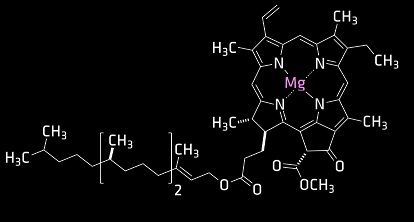
In nature, photosynthesis occurs with the participation of a chlorophyll molecule with a central magnesium atom, using visible light, at low activation energies for the reaction's energy threshold. Artificial photosynthesis, as currently postulated, is a much more energy-demanding process. While the reaction occurs easily in nature, we need to provide ultraviolet energy, which is a wavelength higher than visible light. There are many effective catalytic uses of substances other than chlorophyll, such as rhodopsin, and chemistry is rich in interesting alternatives to photosynthesis. However, practical use of these technologies on an industrial scale, with particular emphasis on "detoxifying" the atmosphere from too big quantity of CO
2. Another interesting application of biotechnology, among others, would be the use of natural processes to power vehicles in a closed cycle, involving appropriate chemical reactions that would ensure the recovery of burned fuel from exhaust gases. In this zero-emission solution, assuming 100% reaction efficiency, this would be a "free energy" solution. However, if we were to consider solutions where refueling was a one-time operation and then driving until the car's mechanical components were completely worn out, the whole thing borders on fantasy and could be of interest to sci-fi writers. I also once came across a description of devices that theoretically function by stripping air particles of electrons. The energy obtained in this way would be used to power even highly power-hungry devices. This type of device generated O
3 in his environment as the only side effect of his work. However if we dealig with CO
2 the most pollutants are emitted by coking plants and steelworks - where in the process of processing ore into steel, carbon must be oxidized during its reduction, and the waste product is carbon dioxide. Another producents of CO
2 are cement plants, because in the process of obtaining cement or lime, which produces carbon dioxide from marl, which is largely composed of CaCO
3, or calcium carbonate, it's impossible to eliminate processes that result in end products that we don't know what to do with. Another problem is the generation of large amounts of ash from coal-fired power plants, as well as biomass-fired and waste-burning incinerators.
All toxic gases emitted from furnaces can be broken down into basic molecules, i.e. nitrogen oxides, into oxygen and nitrogen, using catalysts. Sulfur and carbon oxides are not part of the air as nitrogen oxides are, so sulfur would have to be stored and processed into, for example, sulfuric acid. (H
2SO
4) for the chemical industry, coal could be used to produce plastics or synthetic gasoline. On the other hand, the current dirty chemistry won't give way to its better qualities anytime soon, because technology is inevitably based on coal, and as long as it exists, it will be used. It's relatively easy to obtain, which determines the future solutions the current industry relies on. Anyone who tries to radically change this by eliminating this situation will be perceived as a radical voice and will be denied a significant role in decision-making. In a few hundred years, or perhaps even just a few decades, there will be an inevitable retreat across the entire front line from fuels as we know them, because their prices, due to the rapid depletion of their resources, will rise in the near future so much that no one will be able to maintain cars, which will become mere toys for the eccentric rich who can afford them. There will also be no room for power plants fired by coal or other fossil fuels, and electricity will be generated from sources that are currently just emerging on the technological horizon. What these sources will be will depend on many events that will occur, and which cannot be predicted at this time.
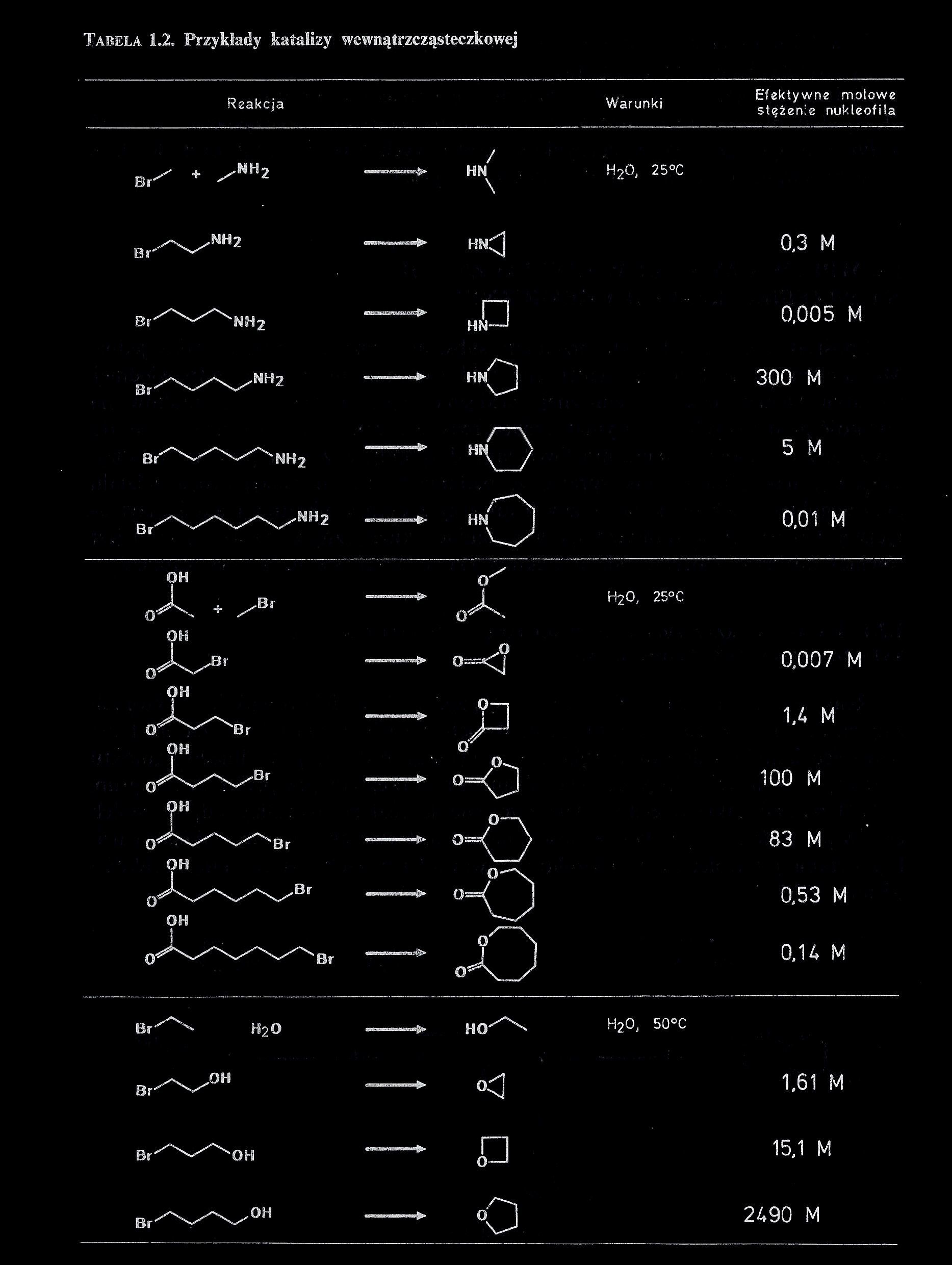
| Internal molecular catalysis. |
10 October 2024
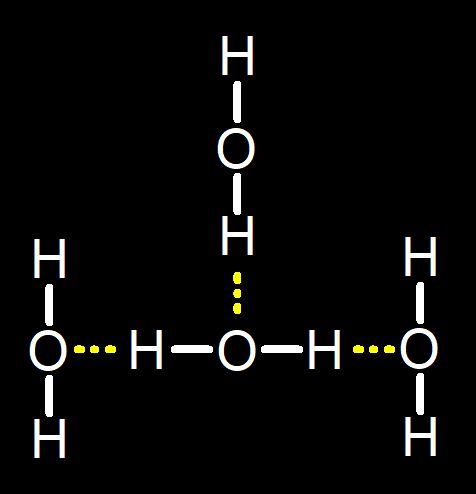
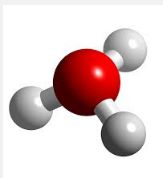
Hydrogen monoxide, commonly known as water, lies in the oceans on 75% of the Earth's surface. Water owes its properties, among other things, to hydrogen bonds. What are hydrogen bonds? Hydrogen bonds are interactions formed in water between polarized hydrogen monoxide molecules. Hydrogen bonds contribute to water's greater cohesion and influence the final boiling and evaporation temperature of this liquid. Electric charges in a water molecule are not evenly distributed, which is why hydrogen bonds form. They form when polarized water molecules try to attract each other whenever they come together, with their positively polarized ends and their negatively polarized centers, where the oxygen atom is located. This effect gives water unique properties that support the life of aquatic animals and others that ensure the life of cells, for which it serves as a medium for protein secretion and deoxyribonucleic acid (DNA) replication. Water is a key component of the planet's ecosystem, crucial to its climate and living conditions for living organisms. It is a fundamental substance without which life as we know it today could not have evolved. Water is a component of carbohydrates that make up plant tissue, and of substances such as cellulose, lignin, and starch.
10 October 2024
Calcium carbide (chemical formula CaC
2) can be a source of acetylene (C
2H
2) for example in a reaction with water:
CaC
2+ 2H
2O ==> Ca(OH)
2 + C
2H
2. Acetylene is used for high-temperature cutting of various metals with high melting points, and with oxygen in a mixture, it can achieve a flame temperature of up to 3100 °C, allowing the cutting of metals such as alloyed steel, nickel, and even chromium and vanadium. Acetylene reacts with bromine water and decolorizes it, due to the addition of bromine to acetylene molecules, in this process it loses its triple bond, converting to 1,2-dibromoethene (double bond) and further to 1,1,2,2-tetrabromoethane (completely saturated).
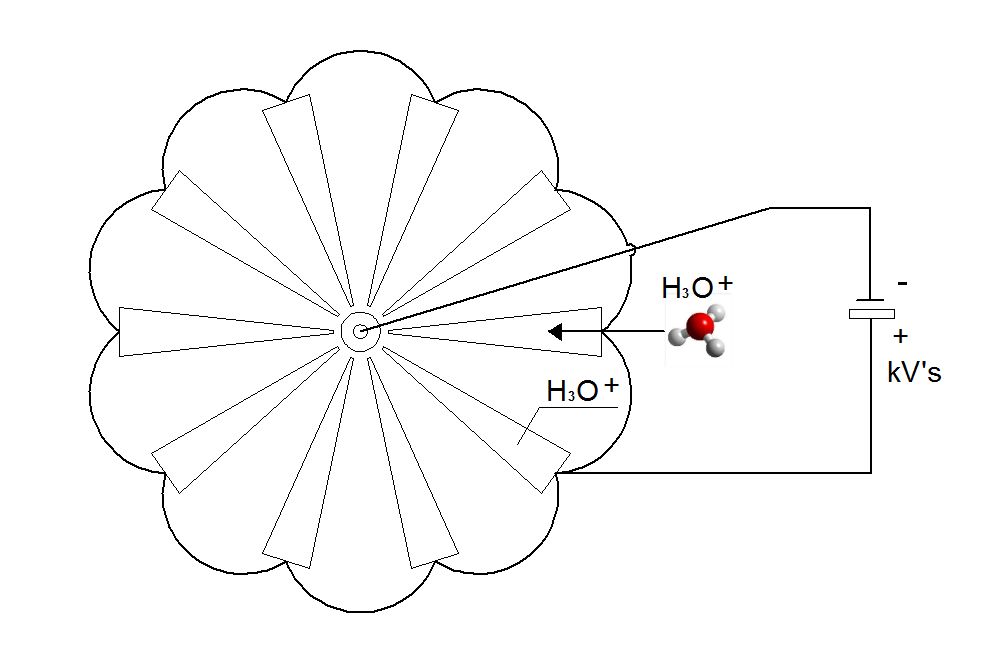
Electrolytic dissociation of water, in which water decomposes into hydroxide and hydronium ions.
10 October 2024
Carbon, as an element with atomic number 12, has several important isotopes used, for example, in determining the age of various substances, such as carbon C
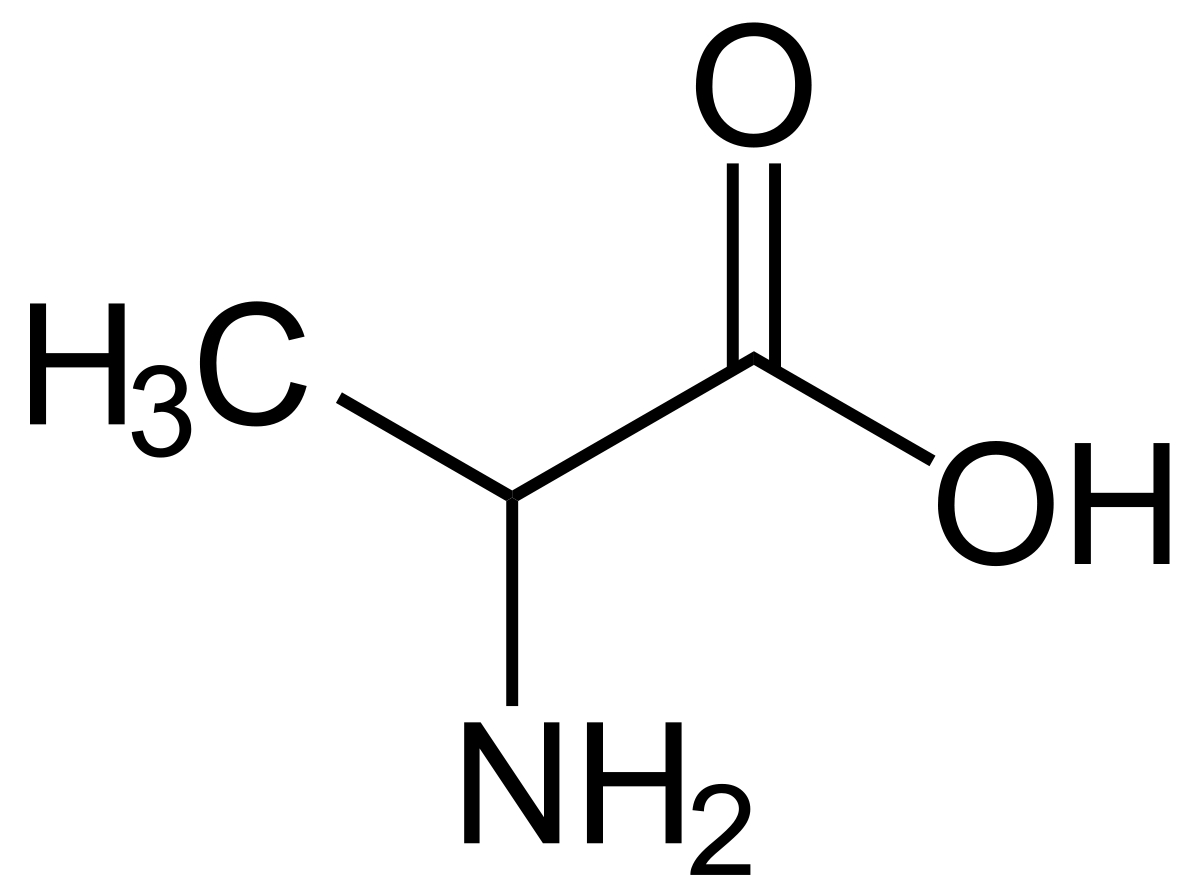
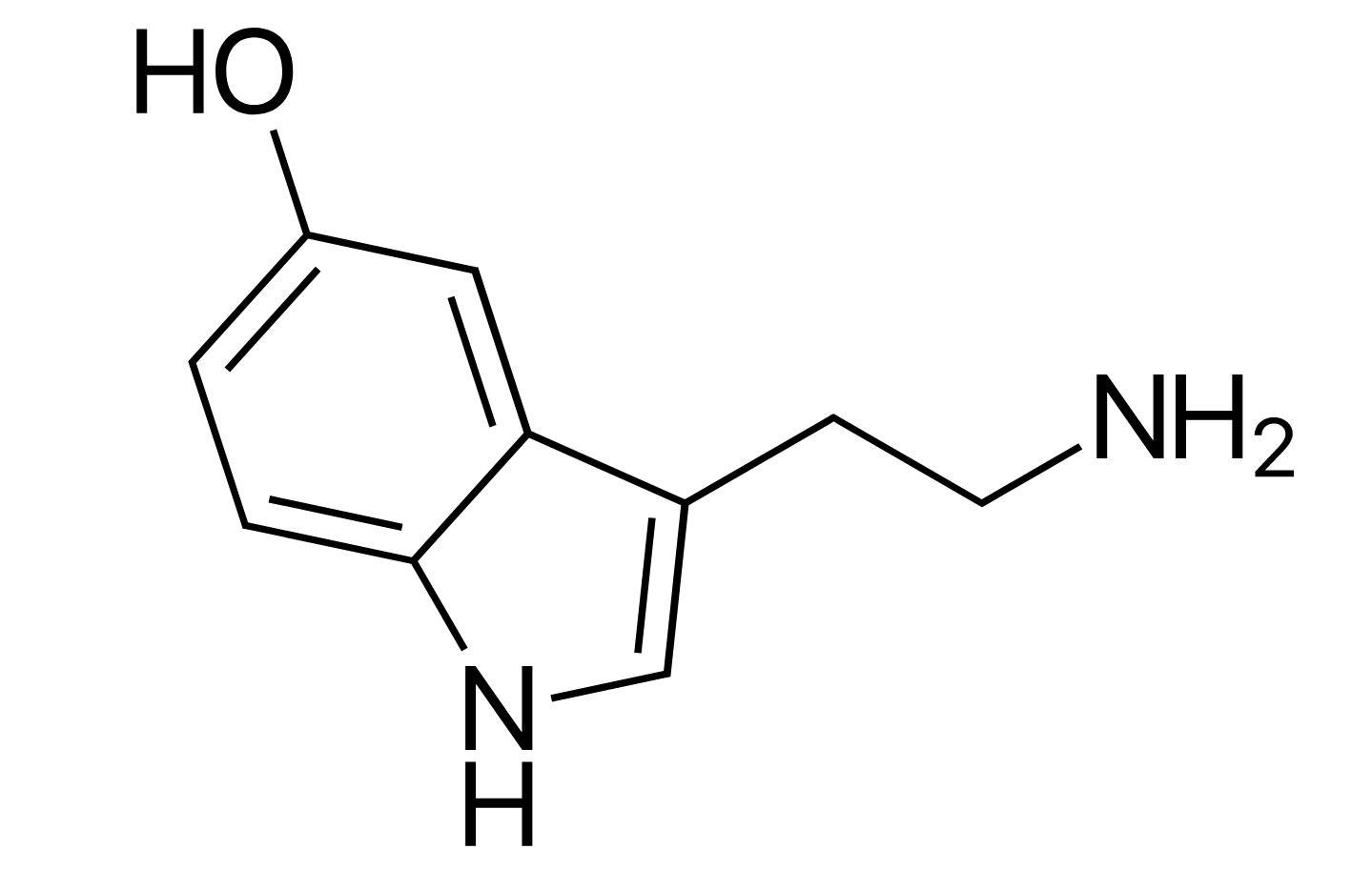
14, which is an isotope with a half-life of 5730 +/- 40 years. Carbon, as an element, was formed, like other lighter elements, as a result of nuclear transformations in stars. In the universe, this element is most likely the most fundamental and common building block of living organisms. It is part of the DNA (deoxyribonucleic acid) chains, which are responsible for transmitting genetic traits in living organisms. Along with nitrogen, hydrogen, phosphorus, and oxygen, it forms the building blocks of DNA - nucleotides, which make up the basic code of life: adenine, guanine, cytosine, and thymine. These, in turn, pair in a strictly defined manner - adenine only with thymine, cytosine only with guanine. Although the number of nucleotides is 4, grouped in triplets, they allow the encoding of all necessary proteins, which are the basic building blocks in many organisms. There is also a large number of gene combinations that do not code for any protein. Carbon participates and is one of the basic components of the energy production process in stars in the so-called CNO cycle. The number of carbon compound combinations, from a chemical perspective, probably exceeds the number of all other chemical compound combinations composed of the remaining elements in the periodic table, as it can bond with four atoms in a tetrahedral structure as in diamond, three (graphene), honeycomb structure, or two as in acetylene, simultaneously with other carbon atoms. Carbon is an element that forms many allotropes such as diamond, graphene, fullerenes, or graphite. Graphite exhibits high spatial anisotropy, being harder the greater the angle of its processing. Diamond is the hardest mineral formed under natural conditions. In nature, in the plant kingdom, carbon is part of the chlorophyll molecule and, along with magnesium, is responsible for the process of photosynthesis in plants. Oxygen, with atomic number 16, is on Earth a byproduct of the development of early oceanic organisms and is also produced in plant cell organelles - chloroplasts on a large scale in green plants with the help of solar energy. Currently, the oxygen content in the atmosphere does not exceed 22%, but in the past, during the intensive development of plants - ferns and horsetails, its content in the atmosphere exceeded 34%. Nitrogen in the atmosphere acts as a non-flammable gas - it does not support the combustion process, unlike oxygen, under normal conditions, preventing uncontrolled burning of flammable substances in an oxygen-depleted atmospheric mixture. It constitutes about 78% of the Earth's atmosphere. Nitrogen is part of proteins, enzymes, essentially all protein substances in living organisms, i.e., amino acids that make up polypeptides, because as the name suggests, an amino acid is a combination of an amino group (NH
2) with a carboxyl group with the formula (-COOH), one of the simpler amino acids is glycine (NH
2CH
2COOH) or alanine (CH
3CH(NH
2)COOH). Nitrogen is a component of hydrazine, which is a good but harmful rocket fuel for humans. Additionally, nitrogen in certain compounds is used for the production of gallium nitride, where in the high-pressure crystallization process, crystallization of this substance can occur, which can be used to build electronics with significantly improved parameters. Another application of nitrogen is its use in the explosives industry. Substances containing nitrogen include, among others, TNT, nitroglycerin, C4, Semtex, and many others.
| Alanine, chemical formula: CH3CH(NH2)COOH and semi-structural |
10 October 2024
Production of nitric acid (HNO
3) in a small laboratory setting. We will use potassium nitrate for the experiment. (KNO
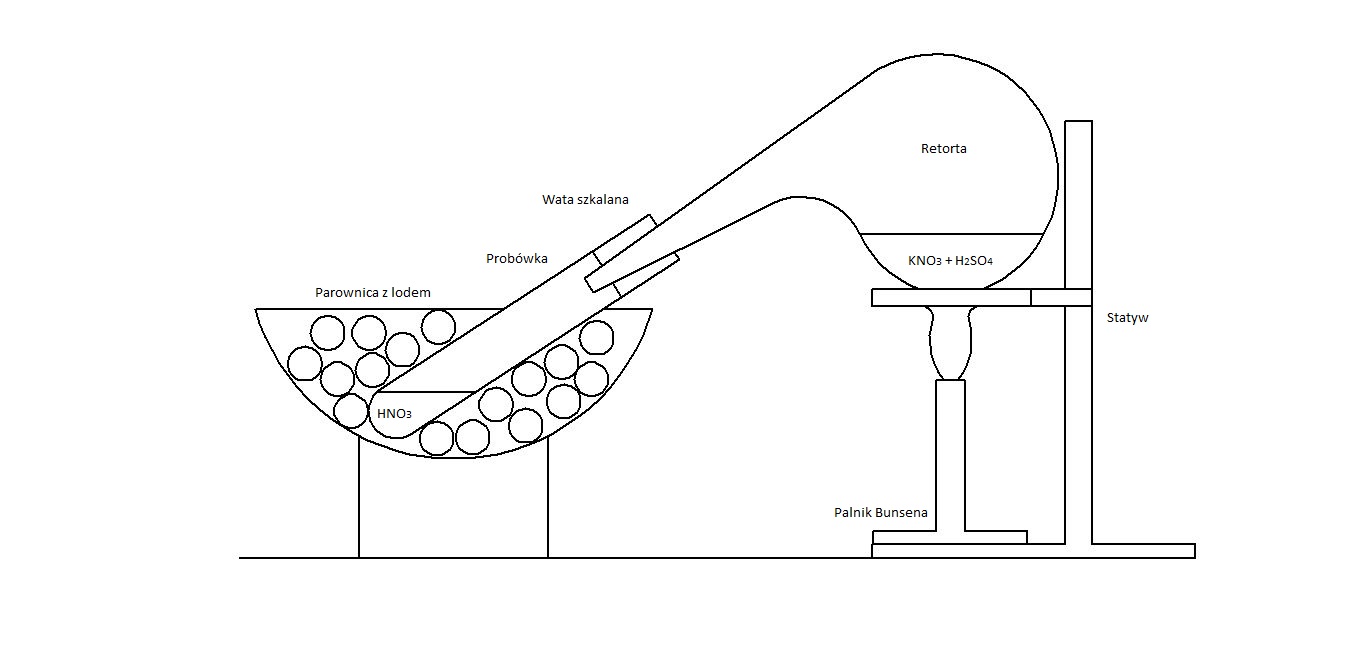
3) commonly available in grocery stores and used for cooking meats, and concentrated sulfuric acid. Concentrated sulfuric acid should be mixed with potassium nitrate and the resulting mixture heated in a retort with a Bunsen burner. The tip of the retort should fit into a test tube, which is cooled in an ice-filled evaporating dish. The tube's outlet is additionally protected with glass wool. Vapors escaping from the retort condense on the cold walls of the test tube; this is concentrated nitric acid, also known as fuming nitric acid.