9 September 2020
This time about
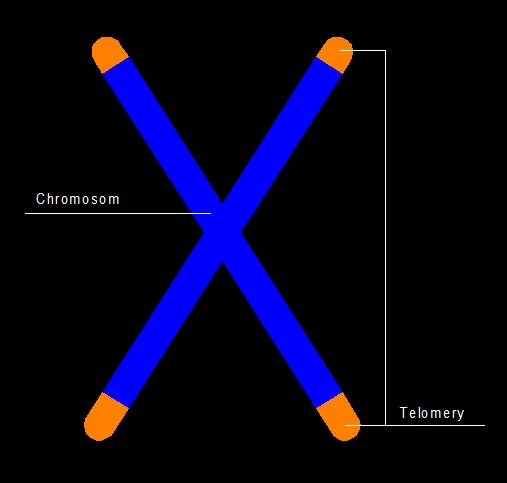
genetics. What are telomeres and why do they have such a significant impact on the lifespan of various species, including humans? Telomeres are segments of genetic code that are part of chromosomes and are located at their ends. However, with each cell division, their length gradually decreases, and when they disappear completely, the cell dies. It is like a clock defining how long an organism with chromosomes can live, related to internal cellular processes. Chromosomes and their telomeres are located in the cell nucleus. Among the many factors influencing death, they are one of the primary determinants, which until now have been a major barrier in geriatric research and the fight against aging, which could not be eliminated. However, with subsequent discoveries in genetics and genetic engineering, technologies and methods for telomere restoration have been developed, through which individuals with a genetic defect causing rapid telomere shortening can be treated. Another rare genetic disease is progeria, a genetic disorder characterized by accelerated aging in affected individuals, resulting in children in their teens appearing as elderly. Perhaps combined genetic technologies will provide a chance to cure such genetic defects, not only in the case of telomere problems but also concerning the entire human genome.