1. Passion of electronics.
9 September 2020
Electronics is a cheap hobby; electronic components are inexpensive. Integrated circuits, resistors, and other components are inexpensive. The benefits of learning electronics are manifold. First, you can gain a firsthand understanding of how today's computers and electronic devices work. Second, you'll learn to repair less complex devices. Third, learning electronics influences logical thinking and fosters creativity. Electronics is currently a field of knowledge in the economy, playing a key role in the control, monitoring, and security of integral systems on a global scale. With the invention of the transistor and later the first integrated circuits, civilization opened the path to artificial intelligence and robotics, in which electronics knowledge plays a crucial and fundamental role. This knowledge determines the functioning of electronically-based machines created by humans, from measuring devices and rail vehicle control to spacecraft. Basic physical phenomena such as current flow (logical state 1) and the lack of current flow (logical state 0) have formed the basis for the binary system. It is on this basis that today's machines, such as computers and servers, operate. Solid-state physics and the electronics based on it have come a long way since the early 20th century, from electron tubes and their simple computing machines, performing simple arithmetic operations, consuming enormous amounts of electricity and requiring space (sometimes occupying entire industrial halls), to the present day, where miniaturization and lithography using semiconductors have made a technological leap that, together with AI (artificial intelligence) technology, can only be described as an industrial revolution. Learning electronics means acquiring a tool for solving a multitude of technical problems, overcoming which can sometimes lead inventors to achieve truly daring projects. There are various types of electronic components and subassemblies whose structure and operating principles are worth understanding. There are many different physical phenomena that underlie the operation of these components, such as resistance (electrical resistance), capacitance, induction, current, voltage, and so on.
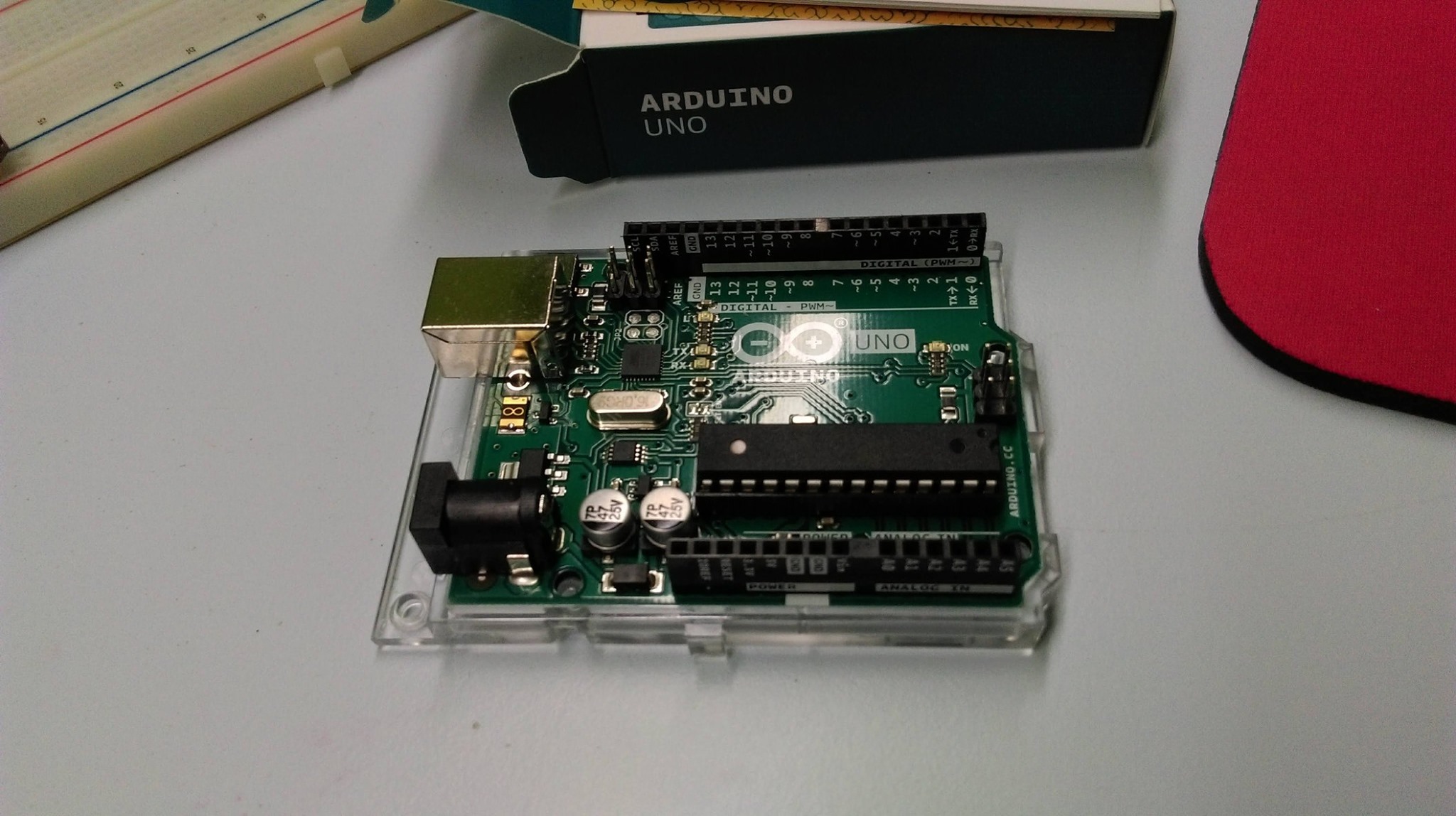
2. Arduino.
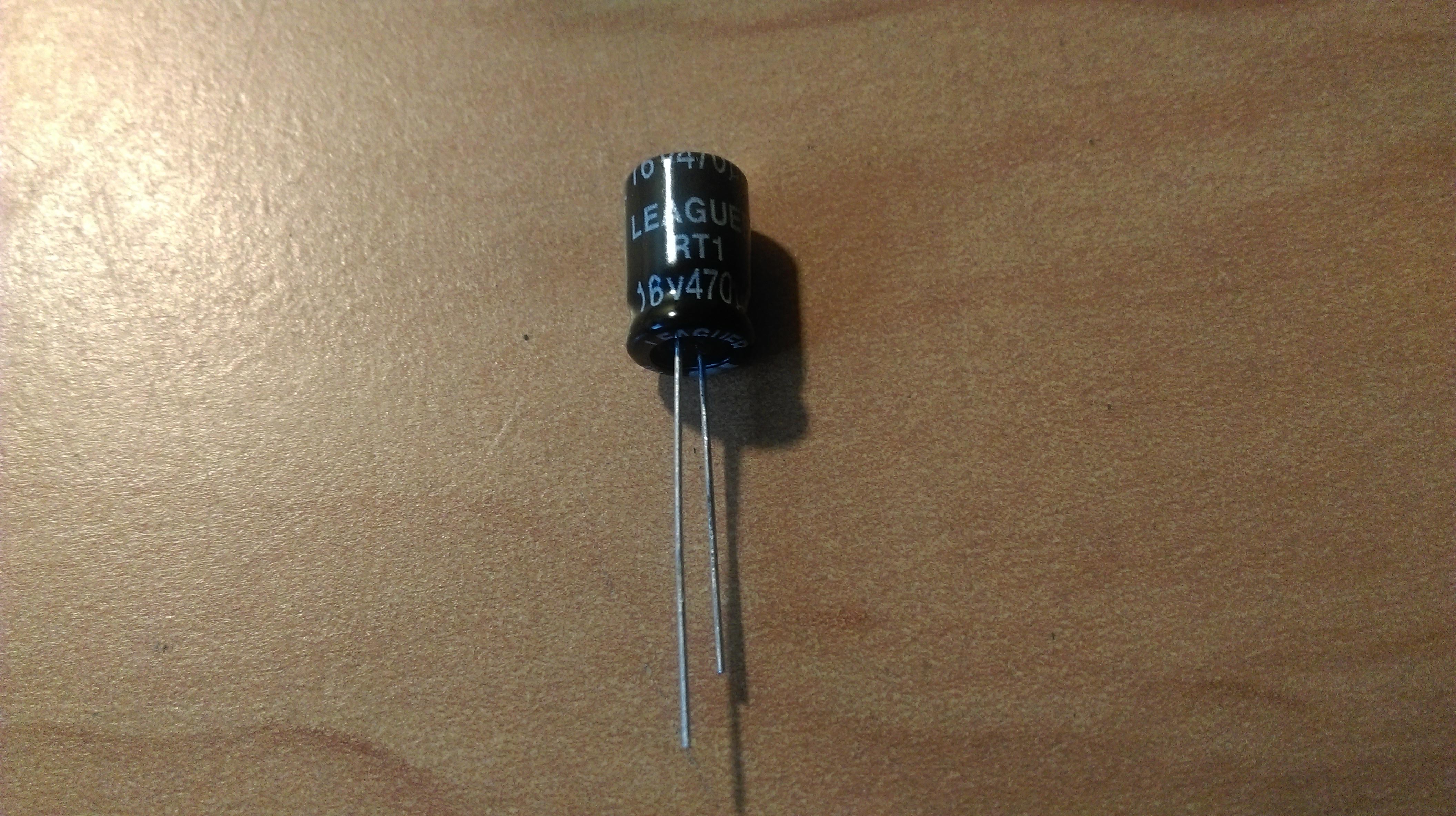
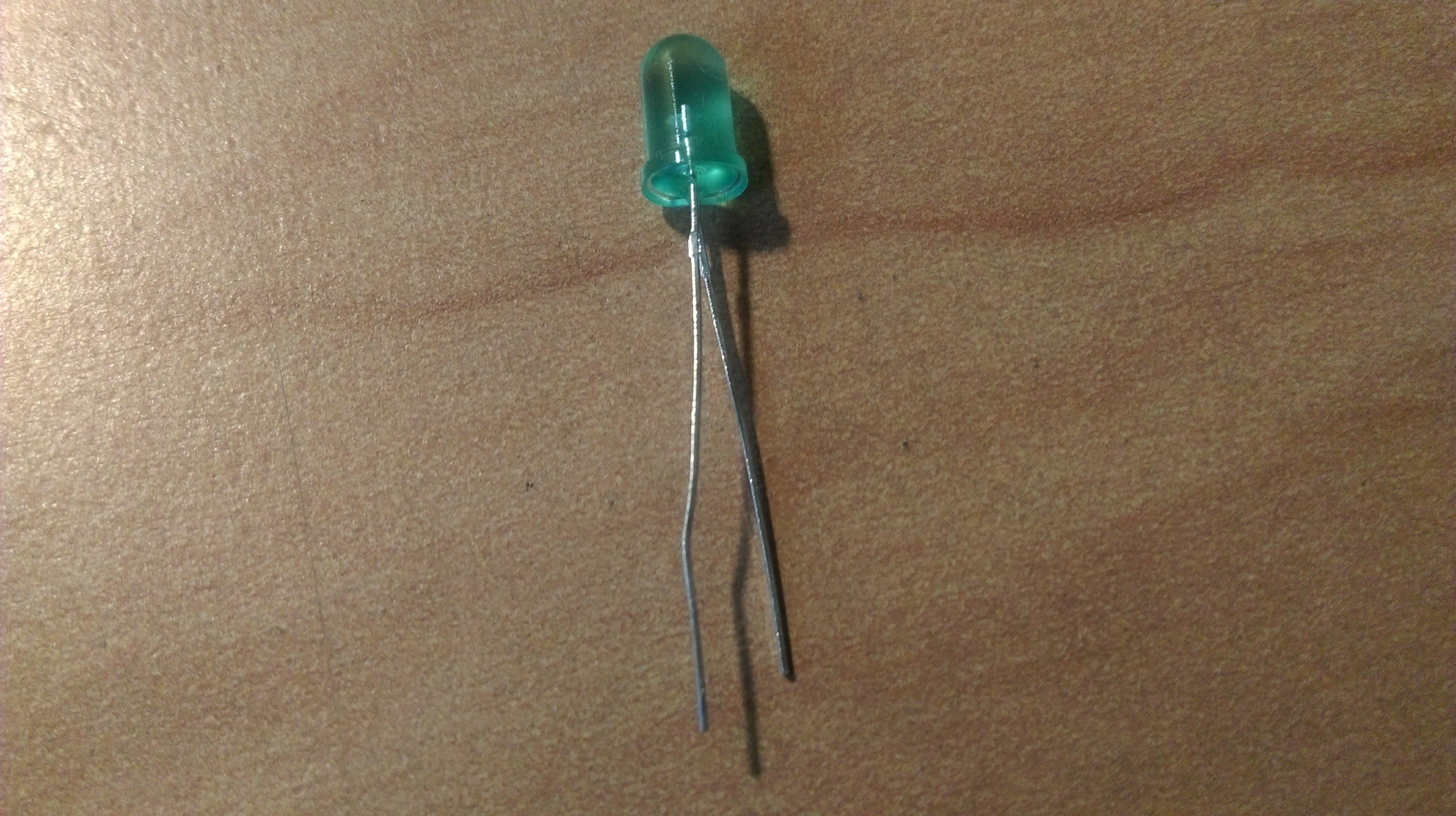
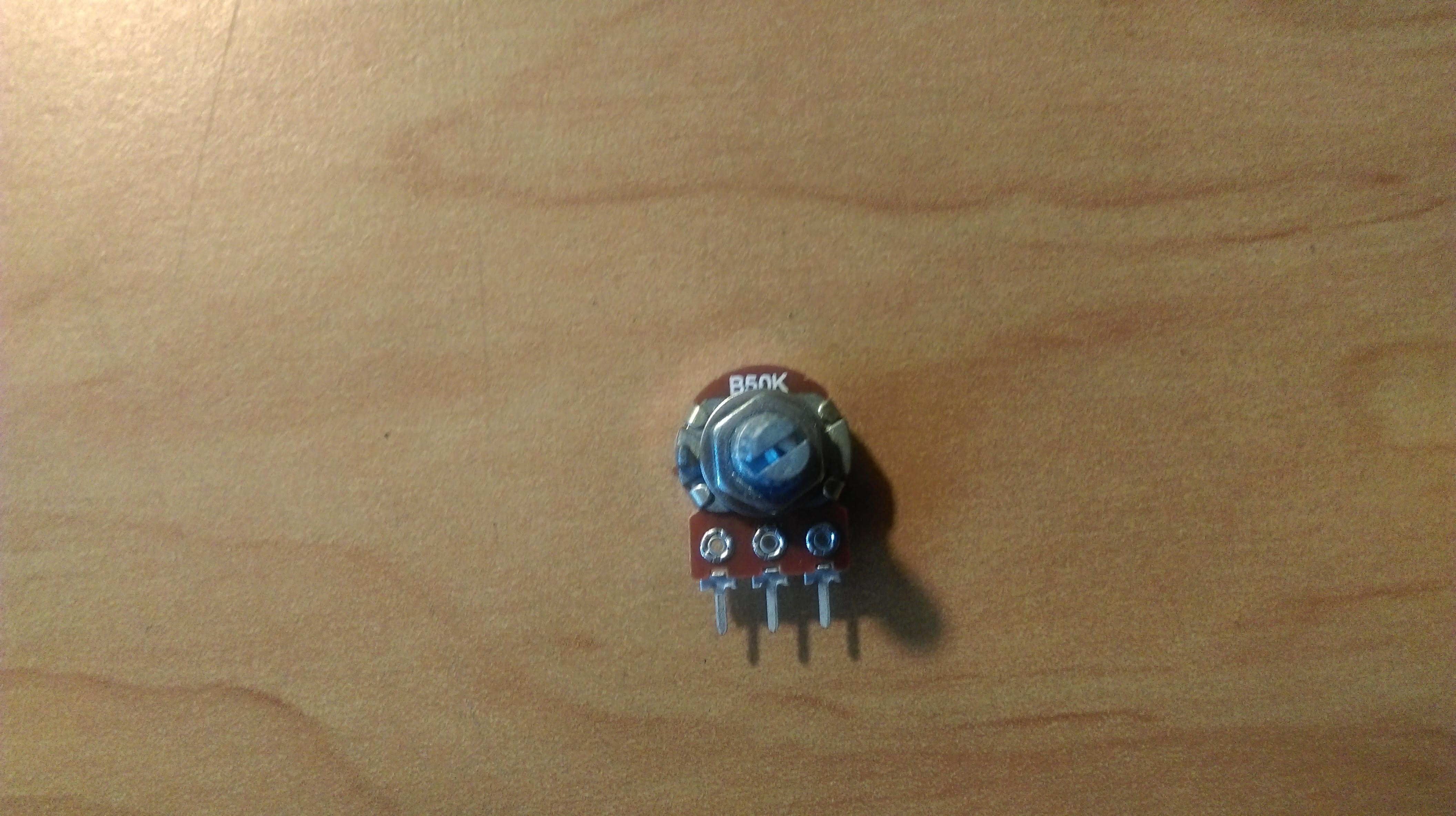
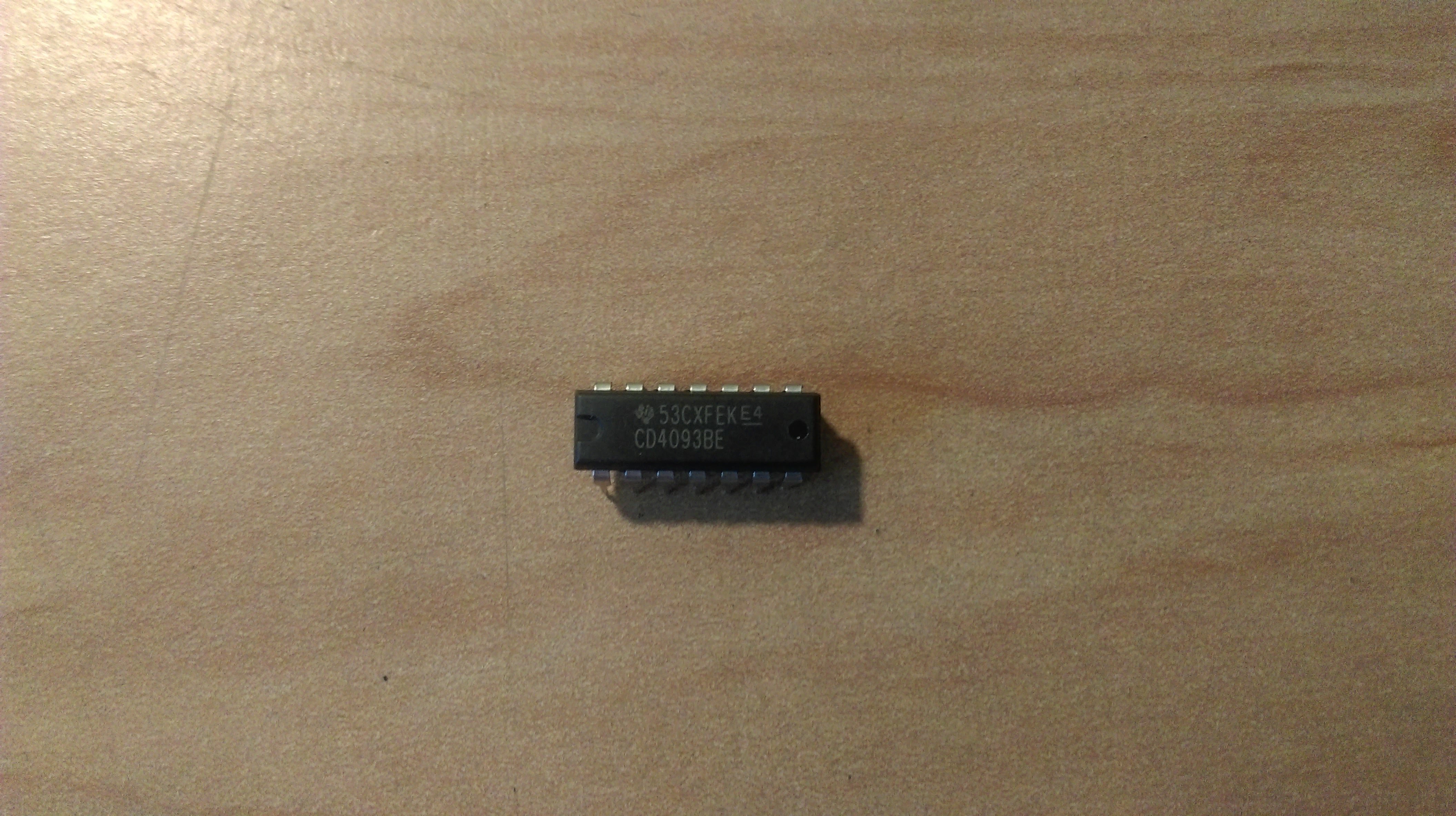
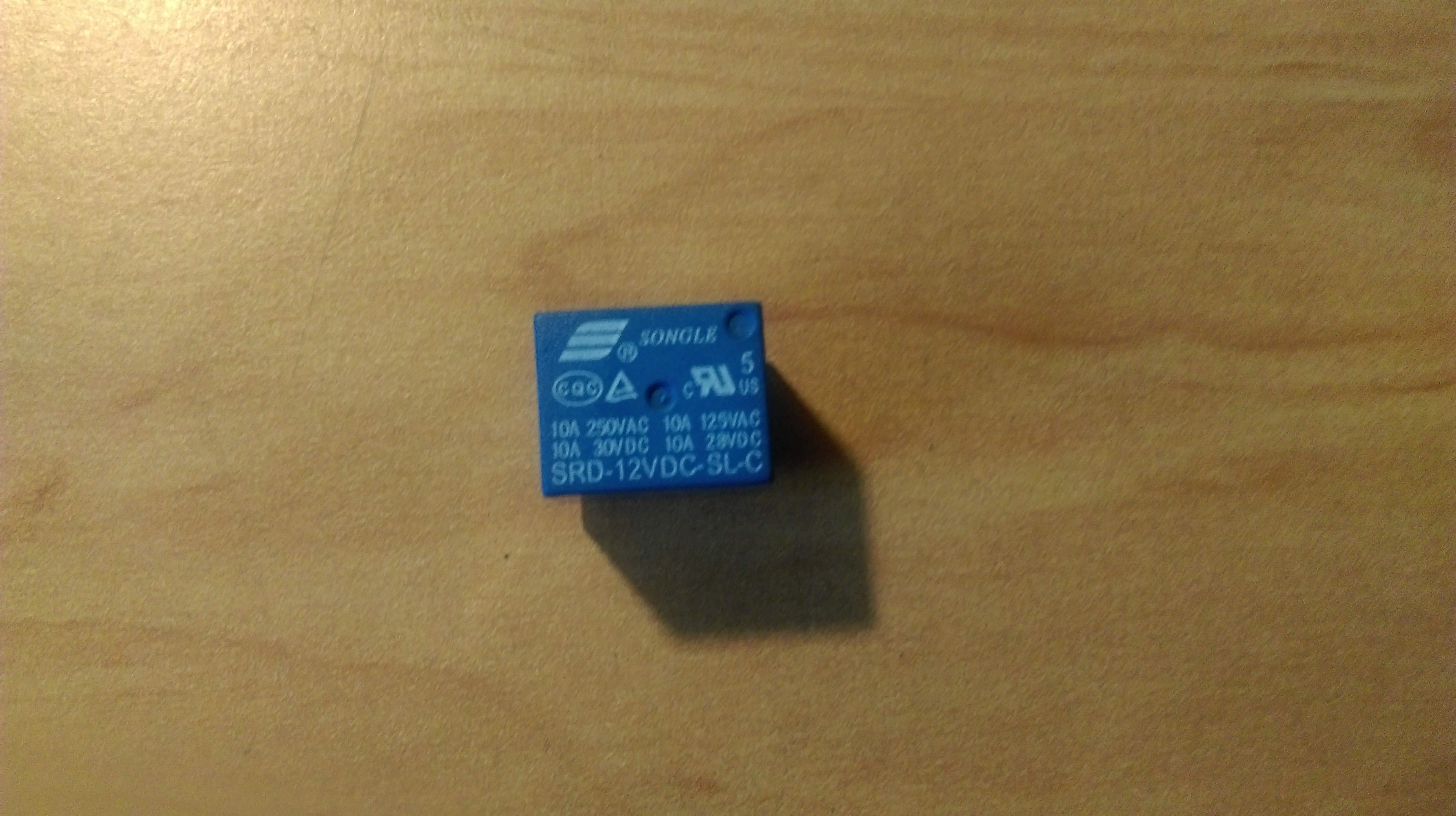
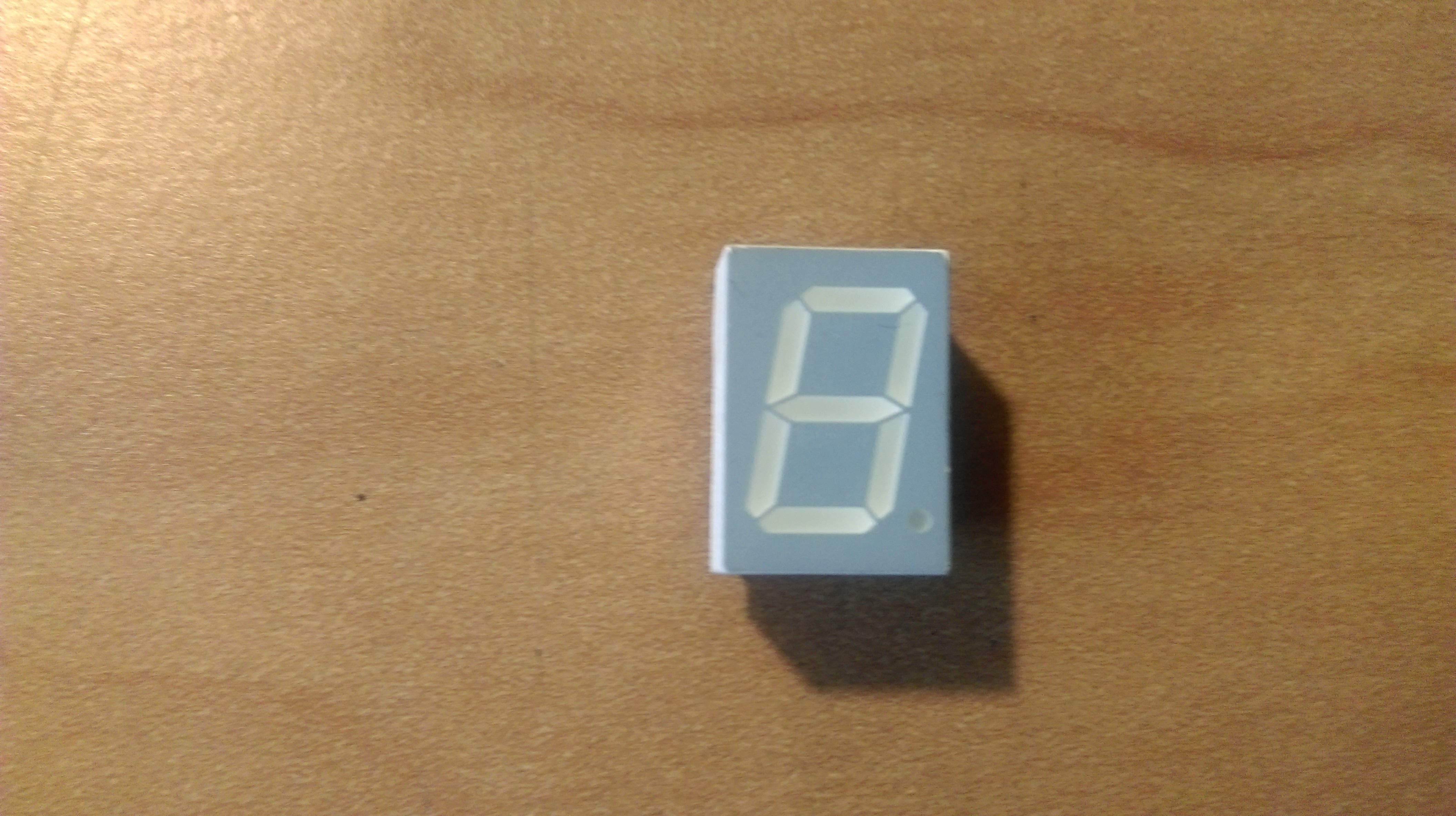
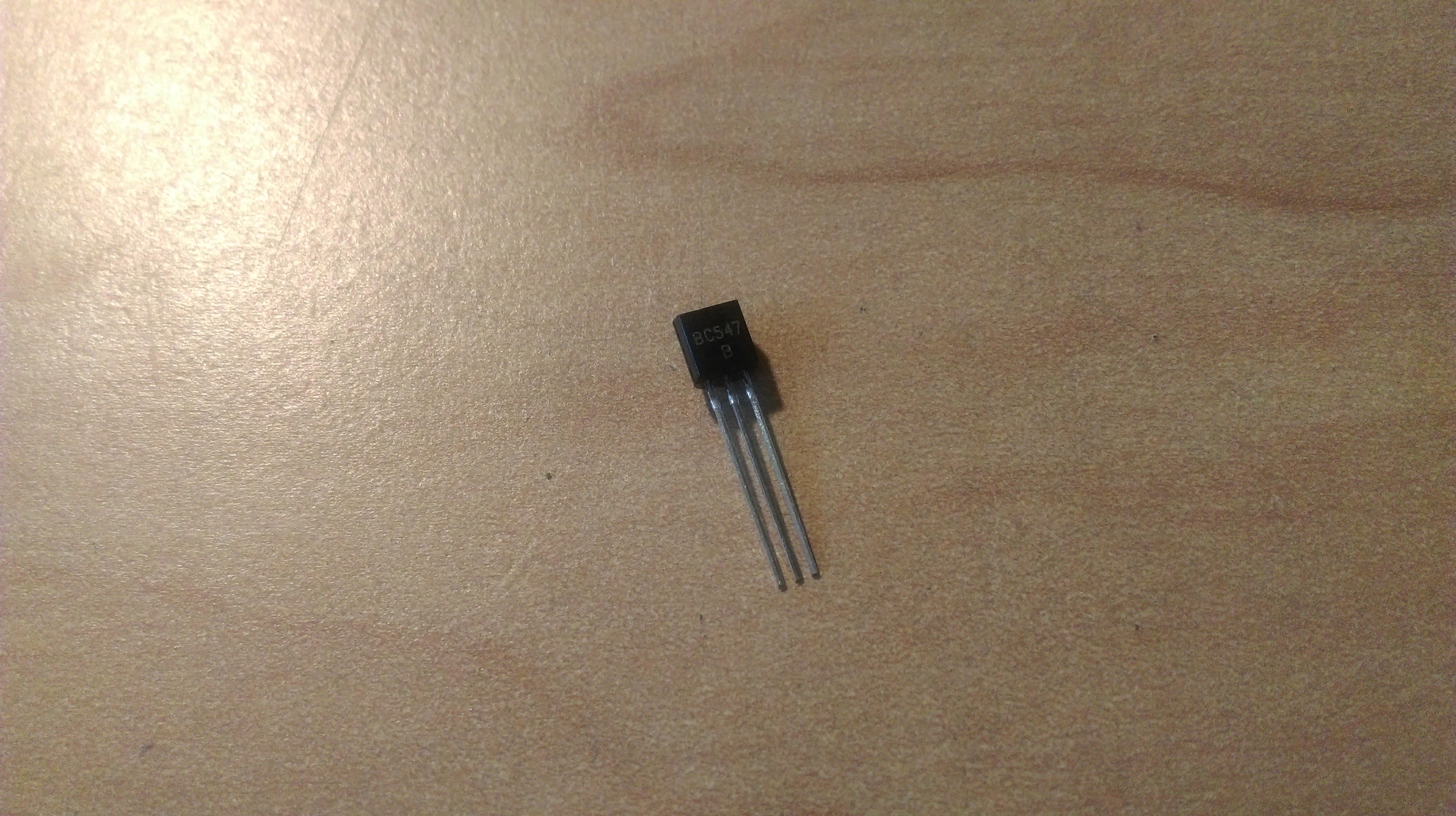
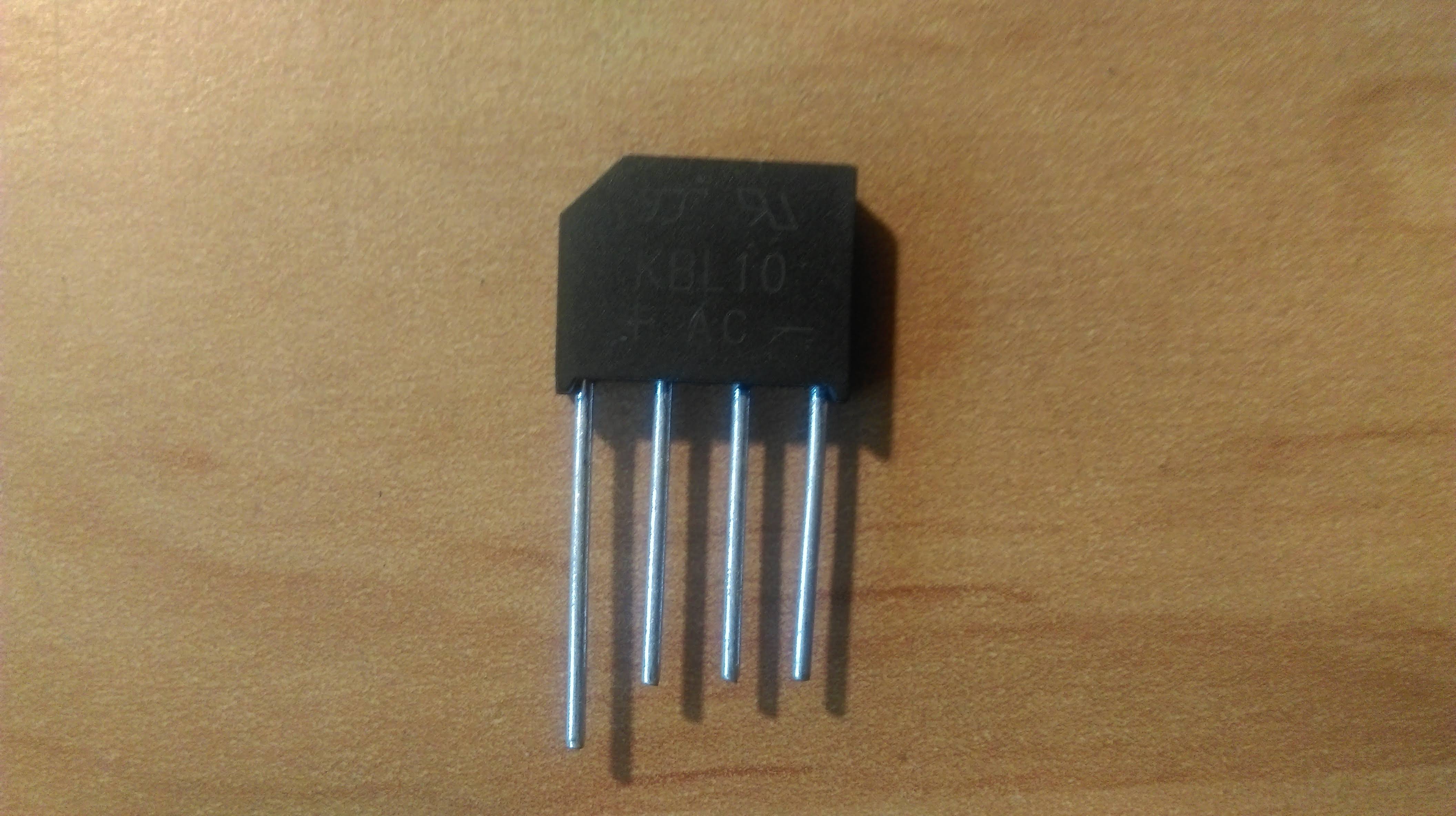
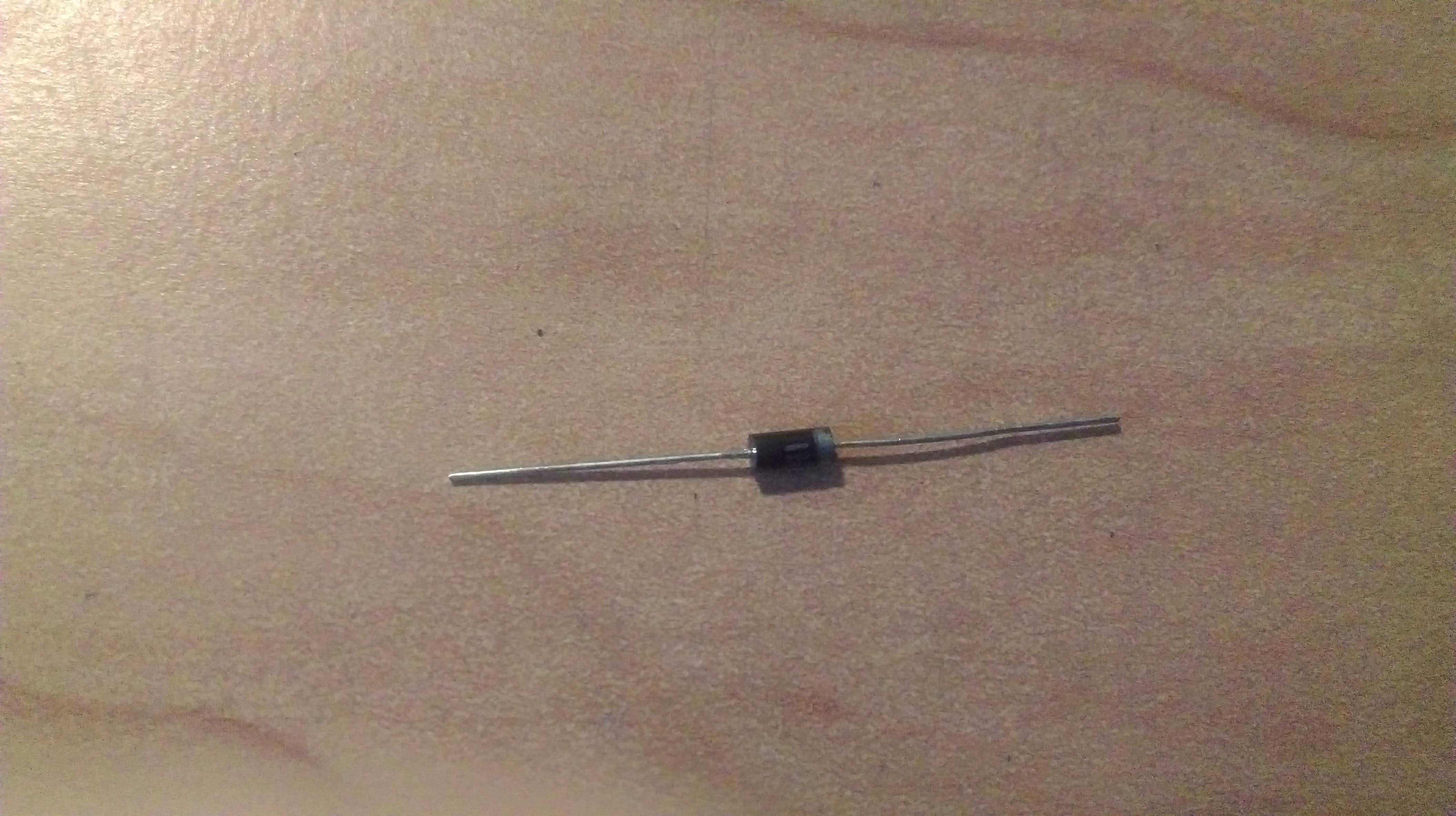
In their daily work, electronics engineers deal with various electronic components and subassemblies, such as resistors, capacitors, and integrated circuits. There are other components; if I were to write even a little about them all, this page would have to be solely about electronics. Below is a small selection of components with descriptions and what they look like.
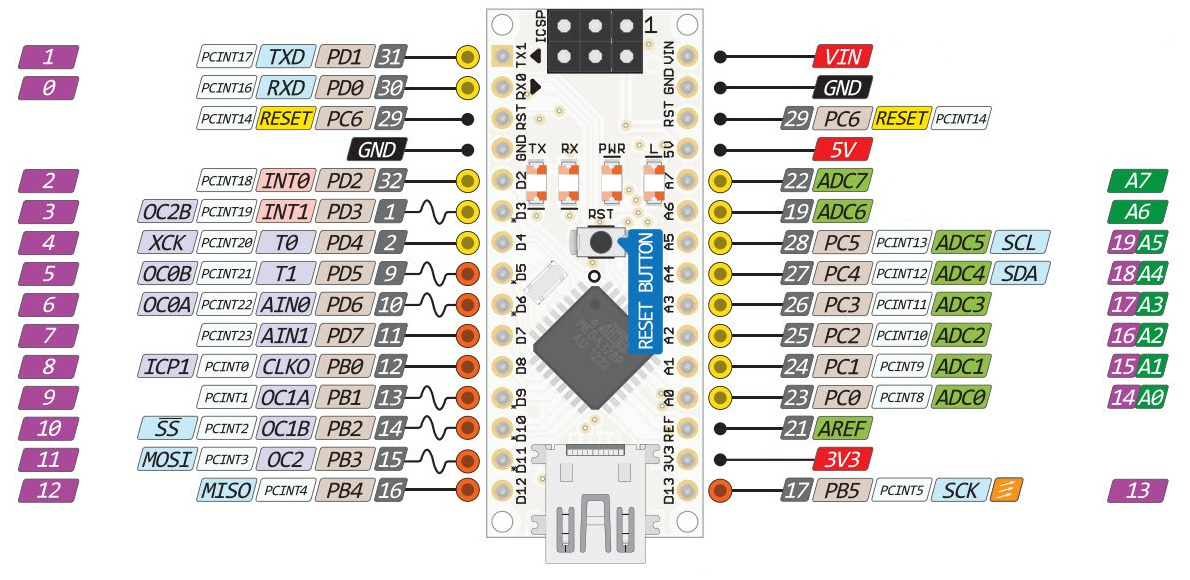
2. Arduino nano pinout.